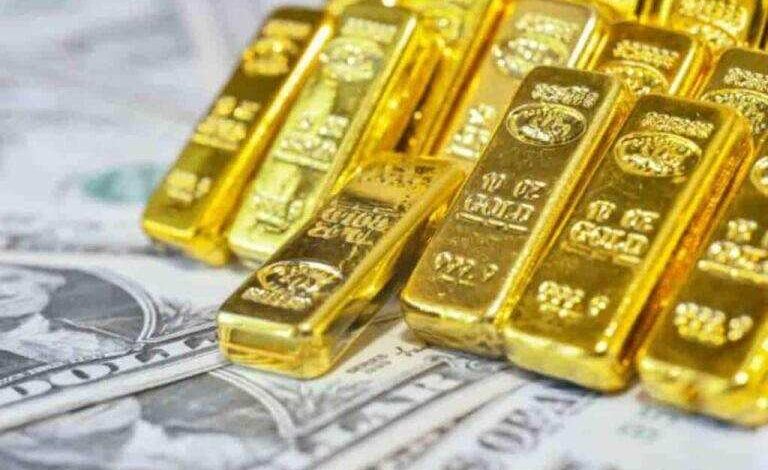
Gold’s Surprising Market Fluctuations in Early 2026
In a dramatic turn of events, gold, which had more than doubled in value over a span of two years and surged 27% in the first few weeks of 2026, experienced an unexpected downturn. On January 29, its price plummeted by 7%, dropping from $5,500 to $5,119 per ounce within a single day. This unexpected shift has left investors and market analysts puzzled.
Impact on Gold’s Market Capitalization
With an estimated 216,265 tonnes of above-ground gold stock in 2026, the sudden drop resulted in a massive $3.7 trillion decrease in the market capitalization of this valuable commodity. When gold was trading at $5,500 per ounce, the total market valuation of gold was around $38.37 trillion. However, by January 30, this figure had fallen to approximately $35.71 trillion.

Advertisement Banner
Gold’s Unusual Volatility: A Risk Asset in Disguise?
One of the most intriguing aspects of gold’s recent market behavior is its uncanny resemblance to the volatility typically associated with risk assets like cryptocurrencies. During the same period, the overall market capitalization of cryptocurrencies dropped by over $200 billion, while Bitcoin (BTC) alone saw a valuation decline of approximately $110 billion. This convergence is unusual, as precious metals such as gold and silver are traditionally viewed as ‘safe haven’ assets, serving as a hedge against various economic uncertainties.
Interestingly, silver also experienced a sharp downturn on January 29, with its price falling from $120 to $101 per ounce. These simultaneous declines point to a deeper connection between these markets.
Factors Fueling the Market Decline
The widespread market tumble appears to be primarily influenced by both domestic and international turmoil, with the United States at the center of these tensions. Domestically, the ongoing disagreement between Federal Reserve Chair Jerome Powell and President Donald Trump, coupled with the looming possibility of another government shutdown, has put significant pressure on the market.
Internationally, the U.S. military’s strategic buildup, potentially signaling a new offensive against Iran, has added to the uncertainty. The risk of disrupting the Strait of Hormuz, a critical passage for global oil supplies, has further escalated concerns of potential conflicts and economic repercussions.
Is Gold Signaling a Market Correction or a Systemic Collapse?
Typically, in the face of geopolitical tensions and economic instability, precious metals like gold and silver are expected to rise in value. However, their recent behavior suggests they might be mimicking risk assets due to reaching unprecedented all-time highs in a short timeframe. This anomaly raises questions about whether traditional trading paradigms no longer apply, as similar movements have been observed across stocks, gold, silver, copper, and even occasionally cryptocurrencies—a pattern rarely seen in the past.
As these developments unfold, it remains crucial for investors to exercise caution and closely monitor market trends to navigate these turbulent times effectively.
“`
This version enriches the content with additional context, keywords, and structure, optimizing it for SEO while maintaining a unique and informative style.