

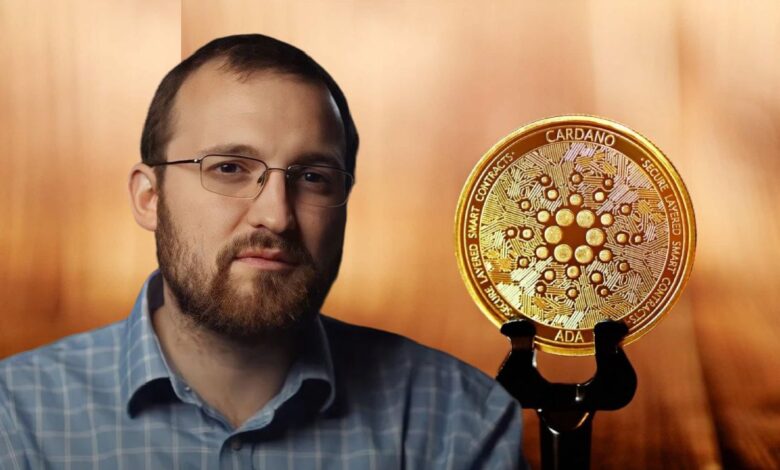
Cardano Founder Critiques Digital Asset Market CLARITY Act
Understanding the Digital Asset Market CLARITY Act
In a recent discussion, Charles Hoskinson, the visionary behind Cardano, expressed concerns regarding the Digital Asset Market CLARITY Act. This proposed U.S. legislation aims to establish a regulatory framework for cryptocurrencies and digital assets. However, Hoskinson warns that the bill could inadvertently offer a smoother regulatory path for established tokens like XRP, while setting potentially harmful precedents for future U.S.-based crypto initiatives.

Advertisement Banner
Why XRP Might Benefit
During a livestream session, Hoskinson articulated his apprehensions about the Act, which he perceives as initially categorizing all digital assets as securities. He argues that this approach forces projects to undergo a strenuous process to shed that label, a process he believes the SEC could exploit. Yet, he speculated that XRP might be one of the few assets to enjoy preferential treatment, potentially being “grandfathered” under the new rules.
Potential Implications for Established Networks
Hoskinson pointed out that the CLARITY Act could provide a regulatory advantage to legacy networks like XRP and possibly Cardano. This would effectively relegate these established tokens to a more secure status under the bill’s framework. Unfortunately, the same courtesy does not extend to decentralized finance (DeFi) platforms, which would remain vulnerable and without a clear path forward.
Challenges for Decentralized Finance
According to Hoskinson, the Act fails to address the needs of DeFi entities, citing Uniswap and prediction markets as examples of overlooked sectors. He highlighted ongoing issues such as stablecoin yield regulations, noting that even prominent figures like Coinbase CEO Brian Armstrong struggle to navigate these regulatory waters.
Criticism and Industry Divide
Hoskinson’s critique of the CLARITY Act is not new. For weeks, he has voiced concerns that, while the bill appears progressive, it leaves open significant loopholes that could entrap projects under securities regulations. This stance has sparked a noticeable divide within the industry, with Ripple CEO Brad Garlinghouse advocating for the acceptance of the framework as a starting point, followed by future amendments.
Contrasting Industry Opinions
Garlinghouse remains optimistic about the bill’s swift passage, despite its perceived flaws. Meanwhile, Coinbase’s Brian Armstrong has raised alarms about the possibility of regulatory capture by banks, potentially sidelining competition. Such differing viewpoints highlight the complexities and competing interests within the cryptocurrency sector.
Editorial Integrity and Process
Our Editorial Process at bitcoinist is committed to delivering well-researched, precise, and unbiased content. We adhere to rigorous sourcing standards, ensuring that each piece undergoes thorough review by our team of top technology experts and experienced editors. This meticulous process guarantees the integrity, relevance, and value of our content for our readers.