

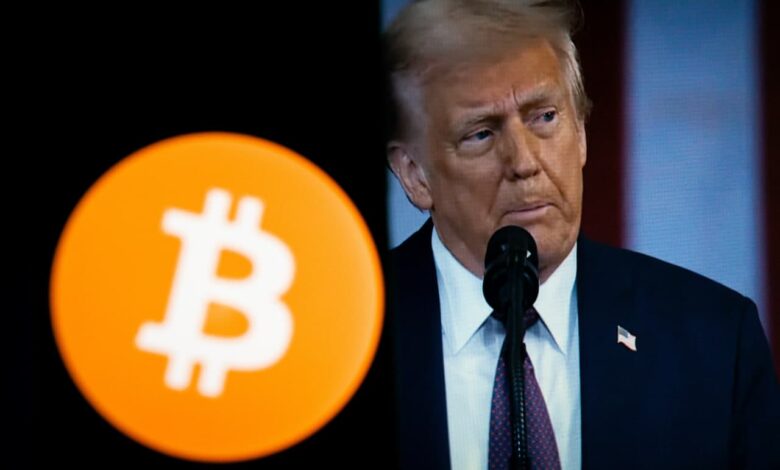
Bitcoin’s Recent Dip Amid U.S. Regulatory Developments
In the past day, Bitcoin (BTC) experienced a 1.14% decline, bringing its value down to $117,529. This decrease coincides with the Trump administration’s unveiling of a highly anticipated report on digital assets. This document, crafted by the President’s Working Group on Digital Asset Markets, holds the potential to significantly alter the regulatory framework for cryptocurrencies in the United States.
Overview of the White House Report on Digital Assets
The comprehensive report lays out a series of broad recommendations aimed at integrating cryptocurrencies into the U.S. financial system. Key suggestions include empowering the Securities and Exchange Commission (SEC) and the Commodity Futures Trading Commission (CFTC) to facilitate digital asset trading at the federal level. Additionally, it advocates for the establishment of regulatory sandboxes and safe harbors to nurture innovative financial products. The report also emphasizes accelerating the execution of recent legislative measures, such as the Clarity Act and the GENIUS Act, which are designed to create structured frameworks for cryptocurrency markets and stablecoins respectively.

Advertisement Banner
Embracing Decentralized Finance and Stablecoins
One of the report’s pivotal highlights is its endorsement of decentralized finance (DeFi) as a key area for growth. It positions stablecoins as instrumental in bolstering the U.S. dollar’s influence. This shift signifies a clear move towards a more crypto-friendly policy stance, underscoring the importance of transparency in how cryptocurrency firms can gain access to traditional banking services and master accounts.
Missing Details on Federal Bitcoin Reserve
Despite the report’s extensive coverage, market analysts noted a significant omission: the absence of any reference to the administration’s anticipated initiative to establish a federal Bitcoin reserve. This concept, which had been previously suggested by Trump’s advisors, remains unaddressed, leaving one of the administration’s most ambitious proposals unresolved.
Conclusion: The Future of U.S. Crypto Regulation
While the report marks a substantial step forward in shaping U.S. cryptocurrency policy, the lack of details on a strategic Bitcoin reserve introduces uncertainty. As the regulatory landscape continues to evolve, the crypto community remains vigilant, awaiting further developments that could define the future of digital assets in the United States. This evolving narrative underscores the complexity and rapid pace of advancements within the cryptocurrency sector, highlighting the need for adaptive and forward-thinking regulatory approaches.