US-China Trade Tensions Impact Crypto Markets
Our editorial content is crafted with precision and reviewed by leading industry professionals and experienced editors. This article is designed to provide valuable insights while being SEO-friendly.

Advertisement Banner
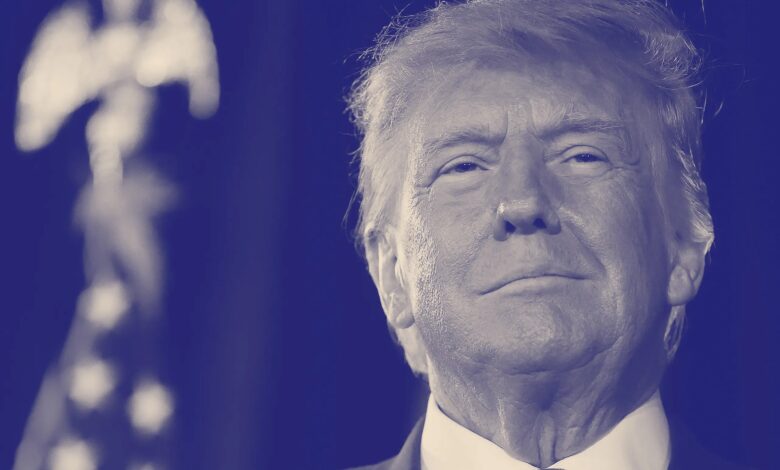
US President Trump Declares Trade Dispute with China
President Donald Trump announced that the United States is already engaged in a trade conflict with China, causing significant ripples across cryptocurrency and financial markets. His statements, hinting at potential severe tariffs, including a possible 100% levy on Chinese imports, followed Beijing’s decision to tighten its grip on rare earth elements and related technology exports. As a result, traders reacted swiftly, leading to a notable decline in prices and increased market volatility.
Crypto Markets Face Turbulence Amid Tariff Threats
According to reports from Reuters and other market analyses, both Bitcoin and Ether experienced sharp declines as investors sought to minimize their risk exposure. Within a mere 24-hour period, approximately $20 billion in leveraged cryptocurrency positions were liquidated.
The downturn was even more pronounced for smaller tokens, which suffered from thin order books and forced sales. Stock markets were not immune, with some companies hastening shipments to avoid potential tariff deadlines. The overall market sentiment turned cautious almost instantly.
Cryptocurrencies Perceived as Risk Assets
Recent reports reveal a shift in the perception of cryptocurrencies as a safe haven. Under the strain of escalating geopolitical tensions, digital currencies have behaved more like equities rather than gold. In contrast, gold prices surged, reaching new peaks as traders gravitated towards traditional safe havens, while cryptocurrency investors sought liquidity. Analysts suggest that during times of heightened global risk, holders of risky assets tend to sell first, and this has drawn cryptocurrencies into the broader “risk-off” market reaction.
Supply Chain Pressures and Rising Mining Costs
China’s export restrictions on rare earth minerals have implications for the cryptocurrency sector well beyond the headlines. Rare earth elements and chip manufacturing are vital for electronics and mining equipment. Extended curbs or tariffs could escalate the cost of semiconductors and other components essential for mining hardware and data centers. Increased input prices may drive smaller miners out of business and slow down planned hardware upgrades crucial for sustaining blockchain networks.
Potential Regulatory Changes Influencing Crypto’s Trajectory
According to policy briefings and financial commentary, the ongoing trade dispute could lead to new regulatory measures. Should trade tensions intensify, regulators in multiple countries might heighten their scrutiny of cross-border financial transactions and exchanges due to national security and financial stability concerns. Concurrently, the fragmentation of payments and financial systems across different blocs could present both risks and opportunities for alternative blockchain-based payment systems. Capital flows may rapidly adjust as institutions reassess geopolitical risks and reallocate their holdings.
Our Editorial Commitment
Our Editorial Process at Bitcoinist focuses on delivering meticulously researched, accurate, and impartial content. We adhere to stringent sourcing standards, and each article undergoes thorough review by our team of leading technology experts and seasoned editors. This rigorous process ensures the integrity, relevance, and value of our content for our audience.