

Comprehensive Analysis of Bitcoin’s Recent Market Surge
Our editorial content is crafted with precision, reviewed by top-tier industry experts and veteran editors to ensure its quality and accuracy. Advertising Disclosure
Bitcoin’s Recent Price Recovery

Advertisement Banner
In the past few weeks, the Bitcoin market has witnessed a substantial rebound. After enduring a series of sharp corrections, which saw the cryptocurrency dip to a local low of $60,000 in early February, Bitcoin has bounced back to approximately $71,000. This represents a notable 7.19% increase over the past month, highlighting renewed investor confidence and positive market sentiment.
Geopolitical Tensions and Their Impact on Global Markets
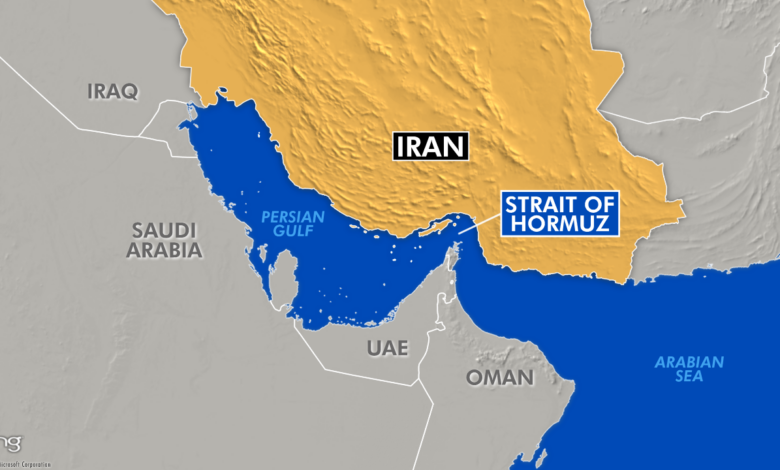
Global markets are currently experiencing turbulence due to escalating geopolitical tensions in the Middle East. A coordinated military action by the United States and Israel against Iran has resulted in significant retaliatory measures. One of the most impactful moves by Iran has been the closure of the Strait of Hormuz, a crucial passageway through which 20% of the world’s oil supply is transported. This blockade threatens to severely disrupt global economic stability.
Economic Implications of the Strait of Hormuz Blockade
XWIN Research Japan, a prominent educational and analytics platform, highlights the potential ramifications of a prolonged disruption in the Strait of Hormuz on both Bitcoin and the broader market. With no viable alternatives to this trade route, the closure poses a substantial threat to global energy supplies, potentially triggering an energy crisis. If shipping activities continue to decline and oil and gas prices surge, inflation could rise sharply, given the pervasive role of petroleum products in everyday life.
Central Banks’ Response to Economic Turmoil
In response to such economic disturbances, central banks are likely to implement financial tightening measures, including interest rate hikes, to curtail economic activity. This environment often leads investors to shift capital into fiat currencies like the US dollar to hedge against inflation-induced devaluation. Consequently, there may be a marked decrease in investments in volatile assets, including cryptocurrencies.
Bitcoin’s Position Amidst Global Oil Supply Challenges
XWIN Research Japan further observes that during periods of geopolitical tension, investors tend to treat Bitcoin as a high-risk asset rather than a safe harbor. Therefore, if the Strait of Hormuz remains inaccessible, the Bitcoin market could experience substantial outflows initially. However, as market conditions stabilize, these outflows may moderate.
Financial Ecosystem’s Role in Market Dynamics
The ultimate impact of the strait’s closure on Bitcoin will likely depend more on the financial ecosystem’s response than the energy shock itself. Key factors include global liquidity levels, policy decisions, and overall market leverage. Investors and traders are advised to keep a close eye on derivative indicators such as Open Interest (OI) and Funding Rates, as these metrics provide vital insights into market conditions. A high OI paired with extreme funding rates could indicate an overcrowded market, posing significant risks in the event of a shock.
At the time of writing, Bitcoin is trading at $71,639.
Our Editorial Commitment
At Bitcoinist, our editorial process is dedicated to providing thoroughly researched, accurate, and unbiased content. We adhere to stringent sourcing standards, and each article undergoes meticulous review by our team of leading technology experts and seasoned editors. This rigorous process ensures that our content maintains its integrity, relevance, and value for our readers.
“`