
Bitcoin ATMs in Nairobi: A New Era of Cryptocurrency Accessibility
Our editorial content is meticulously crafted and reviewed by industry-leading experts and experienced editors.
Introduction to Bitcoin ATMs in Nairobi
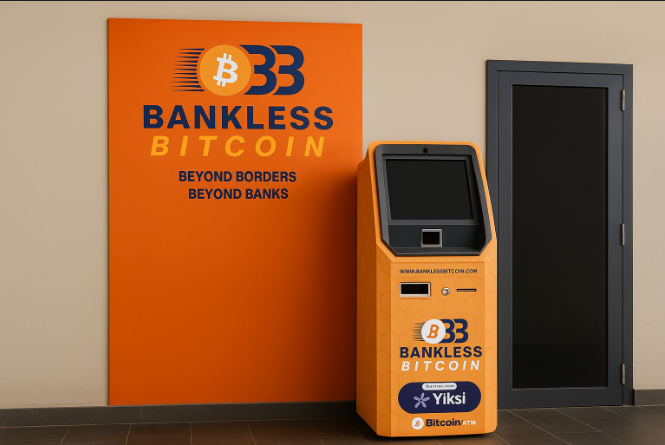
Recently, “Bankless Bitcoin” branded ATMs have begun appearing in bustling shopping centers across Nairobi, including the renowned Two Rivers Mall and several locations along Ngong Road in Westlands. These vibrant orange machines are strategically placed beside traditional bank ATMs, offering visitors the opportunity to quickly convert cash to Bitcoin and vice versa.
Regulatory Landscape: No Licensed VASPs Yet
Despite the increasing presence of these Bitcoin kiosks, regulators have issued a stern warning. The Central Bank of Kenya (CBK) and the Capital Markets Authority (CMA) have jointly announced that no Virtual Assets Service Providers (VASPs) have been licensed under the newly enacted law. The National Treasury is actively developing detailed regulations to govern the licensing process. Until these regulations are finalized, any entity claiming licensure is operating unlawfully.

Advertisement Banner
Bitcoin’s Grassroots Movement in Kenya
Interestingly, the adoption of Bitcoin in Kenya began not in malls but in low-income neighborhoods. In 2022, AfriBit Africa, a fintech innovator, tested Bitcoin payments in Soweto West, a Kibera community. This initiative provided small grants for community service projects, distributing approximately $10,000 to 200 residents. Bitcoin has become a vital financial tool for these individuals, particularly for those without identification or bank accounts.
Implications of Bitcoin ATMs: Convenience and Concerns
While these ATMs make cryptocurrency transactions as straightforward as using a traditional cash machine, they raise several questions. Concerns include the identity verification processes employed by operators and the management of customer funds post-transaction. The volatile nature of Bitcoin prices means users must be cautious of potential value loss. Regulators emphasize that the new law includes measures to combat money laundering and terrorist financing, with CBK and CMA overseeing compliance.
Future Regulatory Framework and Consumer Protections
The Virtual Assets Service Providers Act outlines anticipated obligations for service providers, emphasizing consumer protection while fostering innovation. Upcoming Treasury regulations will define KYC requirements, transaction limits, and the division of regulatory responsibilities between CBK and CMA, ensuring a balanced approach to oversight.