Exploring the Tokenization of Traditional Assets: Kraken and SEC Dialogue
Insights from the Kraken and SEC Meeting on Tokenization

Advertisement Banner
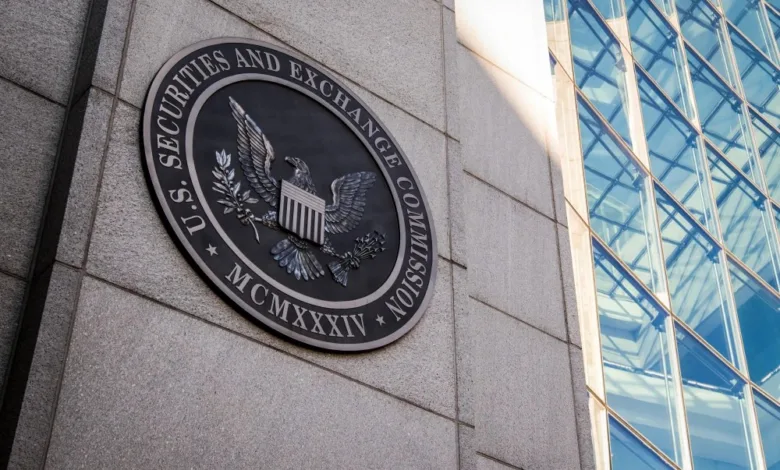
Recently, representatives from the US Securities and Exchange Commission (SEC) and the prominent cryptocurrency exchange, Kraken, have engaged in a pivotal conversation about the tokenization of traditional financial assets. The meeting aimed to explore the evolving landscape of digital assets and their integration into established regulatory frameworks.
Meeting Details and Participants
On Monday, a significant dialogue took place between Kraken and the SEC’s dedicated Crypto Task Force. This meeting included key stakeholders such as Payward, Inc., Kraken Securities LLC, and legal experts from the prestigious firm Wilmer Cutler Pickering Hale and Dorr LLP.
Key Topics of Discussion
The agenda was comprehensive, covering strategic approaches to regulate crypto assets and the legal frameworks necessary to operate a tokenized trading system. The discourse also delved into the architecture of a proposed tokenized trading system, examining relevant federal securities laws, and evaluating how the SEC can enhance regulatory clarity to foster innovation. Additionally, the potential benefits of tokenization were a focal point of the discussion.
Kraken’s Ambitious Plans for Tokenized Stocks
Kraken’s recent interest in launching tokenized versions of popular equities outside the United States was a significant backdrop to this meeting. Earlier in May, Kraken announced its strategic initiative to enable non-US clients to trade tokenized representations of major equities. This offering includes over 50 stocks and Exchange-Traded Funds (ETFs) such as Apple, Tesla, and Nvidia, allowing investors in Europe, Latin America, Africa, and Asia to access US stocks with reduced trading costs and quicker settlement times.
Coinbase’s Parallel Efforts
Mirroring Kraken’s efforts, Coinbase is also seeking approval from the SEC to offer tokenized stocks. In June, Coinbase’s Chief Legal Officer, Paul Grewal, highlighted the importance of this emerging sector for the platform, emphasizing the need for regulatory assurances such as a “no action letter” or exemptive relief. Such measures would provide the confidence necessary for institutional adoption of crypto and blockchain technologies.
Concerns and Challenges in Tokenized Equities
Despite the enthusiasm for tokenized stocks, significant concerns have been raised by major stock exchanges globally. According to a report from Reuters on August 25, the World Federation of Exchanges (WFE) urged securities regulators to exercise caution regarding tokenized equities, asserting that blockchain-based tokens pose new risks to investors and could potentially undermine market integrity.
WFE’s Recommendations
The WFE communicated its perspective in a letter to the SEC’s Crypto Task Force, the European Securities and Markets Authority (ESMA), and the global securities watchdog IOSCO’s Fintech Task Force. The federation cautioned against the unregulated nature of these tokens, which might mimic equities without ensuring equivalent rights or trading safeguards. Furthermore, the World Economic Forum has identified a lack of secondary-market liquidity and the absence of a clear global standard as significant hurdles for the adoption of tokenized equities.
Regulatory Adjustments and Market Integrity
The WFE underscored the importance of applying securities regulations to tokenized assets, clarifying ownership and custody legalities, and preventing these tokens from being marketed as equivalent to traditional stocks. These measures are crucial to maintaining market integrity and protecting issuers from reputational harm if tokenized stocks fail.
Editorial Standards and Commitment
Our editorial process is committed to delivering well-researched, accurate, and unbiased content. We adhere to rigorous sourcing standards, ensuring each article undergoes meticulous review by our team of top technology experts and seasoned editors. This dedication guarantees the integrity, relevance, and value of our content for our readership.