

Ripple’s Strategy for Bridging Traditional and Decentralized Finance
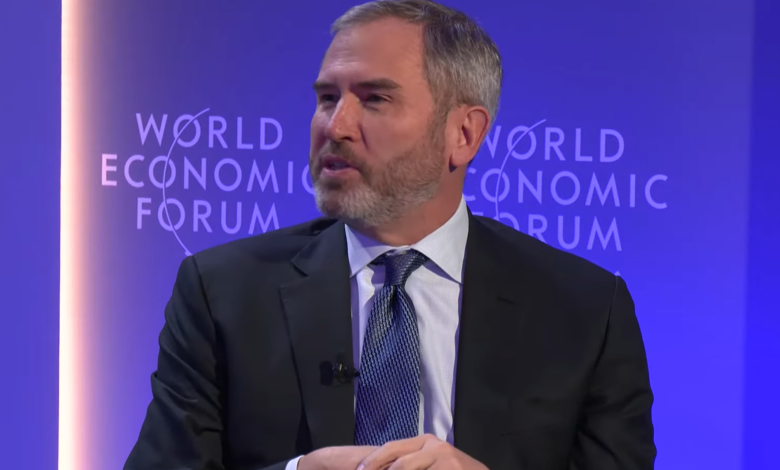
At the World Economic Forum’s 2026 annual meeting in Davos, Ripple’s CEO, Brad Garlinghouse, articulated a pragmatic vision for the future of tokenization. Garlinghouse highlighted the significant role stablecoins are playing as the primary use case in tokenization, especially in the United States where regulatory momentum has shifted favorably. He urged the industry to focus on delivering tangible benefits rather than tokenizing assets merely for novelty.
Building Bridges Between Traditional and Decentralized Finance

Advertisement Banner
During the panel discussion titled “Is Tokenization the Future?”, Garlinghouse noted the striking increase in tokenized assets on the XRP Ledger, which surged over 2,200% in the previous year. He underscored that tokenization is transitioning from experimental phases to becoming integral to mainstream financial systems, all while respecting the sovereignty of national currencies.
The Rise of Stablecoins
Garlinghouse identified stablecoins as the forefront of tokenization, citing their rapid transaction volume growth from $19 trillion in 2024 to an anticipated $33 trillion in 2025, marking a 75% increase. He emphasized that many industry experts predict this trend will persist, further embedding stablecoins into the financial landscape.
Political Realities and Sovereignty
Addressing the notion of a “Bitcoin standard,” Garlinghouse emphasized the political reality that nations hold their fiat currencies as sacrosanct. Citing a memorable comment attributed to Ben Bernanke, he remarked that governments would fiercely protect their control over monetary supply.
Ripple’s Vision: Integrating TradFi and DeFi
Ripple’s approach is focused on creating connections between traditional finance (TradFi) and decentralized finance (DeFi). Garlinghouse explained that collaborating with global banks is a practical strategy for scaling operations, rather than attempting to overhaul existing financial systems.
The Shift in US Regulatory Climate
Garlinghouse highlighted 2026 as a pivotal year for momentum in the crypto space, particularly noting the shift in the US political environment towards a more supportive stance on cryptocurrencies. He attributed this change to new leadership in the White House and a pro-crypto Congress, which has significantly altered the landscape.
Balancing Innovation and Regulation
Despite positive developments, Garlinghouse cautioned that enthusiasm alone is insufficient. He stressed that tokenization should prioritize outcomes that enhance efficiency or transparency, rather than serving as mere technical exercises.
The Importance of Clear Regulation
Garlinghouse advocated for clarity in US crypto legislation, suggesting that seeking perfection can hinder progress. He referenced Ripple’s prolonged legal battles resulting from regulatory ambiguity to emphasize the need for clear guidelines to promote industry growth.
Addressing Energy and Competition Concerns
On topics of energy consumption, Garlinghouse differentiated between blockchain technologies, highlighting that not all layer 1 blockchains have the same energy demands. He pointed out that stablecoin activities are increasingly favoring more energy-efficient blockchains, countering generalized critiques.
Tokenization’s Social and Market Impact
Garlinghouse redirected a question about speculative markets towards the democratization of investment access. He emphasized the potential for smaller investors to participate in markets that were previously inaccessible, thereby broadening financial inclusivity.