

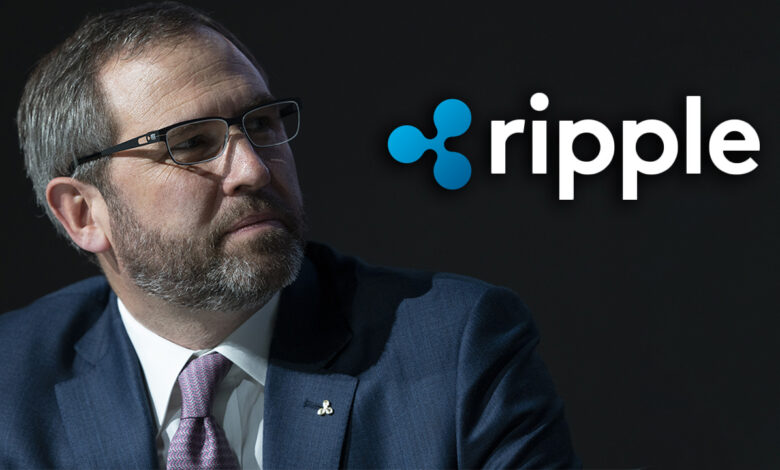
Ripple CEO Advocates for Equal Regulatory Standards for Crypto and Traditional Banks
The topic of regulatory fairness between cryptocurrency companies and traditional banks has been thrust into the limelight by Ripple’s CEO, Brad Garlinghouse. He has voiced concerns over the inequitable scrutiny faced by crypto firms compared to their traditional banking counterparts. Despite adhering to identical regulatory frameworks, crypto enterprises often encounter heightened scrutiny. Garlinghouse is calling for a level playing field, emphasizing that all financial entities should have the same opportunities for growth, especially as Ripple eagerly awaits a verdict on its national charter application.
Advocating for Equitable Regulatory Treatment
During the recent DC Fintech Week, Brad Garlinghouse pointed out the disparity in how regulators treat crypto firms versus traditional banks. He stressed that companies like Ripple are subject to more rigorous examinations and regulatory barriers, despite complying with the same anti-money laundering (AML), know your customer (KYC), and Office of Foreign Assets Control (OFAC) standards that banks follow. Garlinghouse highlighted that the issue is exacerbated by changes in leadership within regulatory bodies like the U.S. Securities and Exchange Commission (SEC) or the White House, which do not necessarily promise a resolution. He argues for a consistent regulatory framework that ensures fairness and equal growth opportunities for both sectors.

Advertisement Banner
Ripple’s Awaited National Charter Amidst Growing Regulatory Pressure
Ripple is currently anticipating a decision on its national bank charter application submitted in July. Approval could significantly integrate Ripple into the U.S. financial system, enabling it to operate similarly to conventional banks. However, not all stakeholders are on board. Several U.S. banking groups have urged the Office of the Comptroller of the Currency (OCC) to halt or reject charters for digital asset companies, citing potential policy and procedural disruptions within the established banking system.
Despite the pushback, Garlinghouse maintains that crypto companies deserve the same access to essential financial tools as traditional banks. He underscores the importance of such access, which includes eligibility for a Federal Reserve master account, facilitating smoother fund transfers and broader participation in the financial ecosystem. While traditional banks strive to maintain control, crypto firms like Ripple advocate for inclusion and equity. As Ripple awaits the charter decision, Garlinghouse remains steadfast in his call for a balanced and fair financial future.
Commitment to Editorial Integrity
Our editorial process at Bitcoinist is designed to deliver meticulously researched, precise, and impartial content. We adhere to stringent sourcing standards, and every article undergoes thorough review by our team of leading technology experts and experienced editors. This rigorous process guarantees the integrity, relevance, and value of our content for our readership.