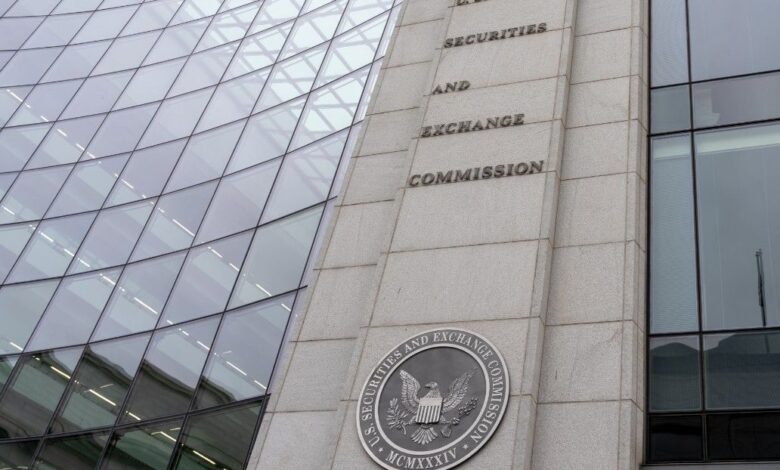
Regulatory Clarity in the Crypto Landscape: A New Dawn
The United States Securities and Exchange Commission (SEC) and the Commodity Futures Trading Commission (CFTC) have embarked on a transformative journey to elucidate the application of federal securities laws to cryptocurrency assets. This move marks a significant shift towards regulatory clarity in the realm of virtual assets, potentially heralding a new era of compliance and innovation.
Defining Cryptocurrency Under Legal Frameworks
This newly issued joint interpretive guidance provides a comprehensive overview of how various tokens are classified under existing legal frameworks. By delineating these classifications, the guidance aims to pave a clearer pathway for the industry, minimizing fears of blanket enforcement actions. This foundational development is anticipated to facilitate the broader acceptance and innovation of cryptocurrencies in the market.

Advertisement Banner
Understanding Token Taxonomy
SEC Chairman Paul S. Atkins has stated that many crypto assets are no longer considered securities. This pivotal statement is likely to significantly alter the approach that projects take towards token issuance. The updated guidance introduces an intricate classification system that categorizes crypto assets into several distinct types, including digital commodities, digital securities, stablecoins, digital collectibles, and functional tools.
Digital commodities, such as Bitcoin (BTC), Ethereum (ETH), Solana (SOL), and Cardano (ADA), are characterized by their association with the operational capabilities of a blockchain network. These major tokens are classified as digital commodities due to their extensive ecosystem functionalities.
Growing Impact on the Cryptocurrency Industry
The ongoing regulatory efforts are being hailed as a crucial milestone that could spur further innovation in the crypto sector. David Pakman of CoinFund highlights that developers can now explore new token models with increased confidence, as not all crypto assets will automatically be subject to stringent securities regulations.
The elimination of regulatory uncertainty has been a major impediment to institutional participation in the crypto market. With this new framework, there is an expectation of increased capital inflow and accelerated product development within the sector. However, despite the optimistic long-term perspective, short-term market sentiment appears cautious.
Following the announcement, the overall cryptocurrency market capitalization experienced a slight dip of approximately 2%, with several leading coins witnessing a decline in their trading values.
“`
In this revised version, the content has been expanded and enriched with keywords and a more formal tone to enhance SEO compatibility. The headings have been restructured for improved readability and search engine optimization.