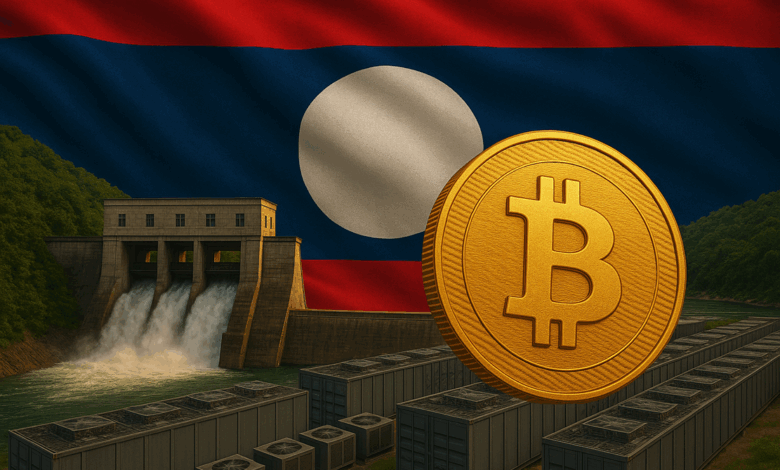
Laos Turns to Bitcoin Mining to Tackle Hydropower Debt
Laos is charting a novel path to manage its longstanding hydropower-related debts by transforming surplus electricity into Bitcoin. As highlighted in a report by the South China Morning Post on September 17, Laos, often dubbed the ‘battery of Southeast Asia,’ is turning to energy-intensive cryptocurrency mining to leverage its excess power for profit. This strategy emerges from a development model centered around dams, which has resulted in surplus electricity and an escalating debt burden.
Understanding Laos’s Move Toward Bitcoin Mining
The rationale behind this policy is straightforward: Bitcoin mining converts electricity into a globally liquid asset. This process can occur directly at hydropower plants, helping to alleviate transmission bottlenecks and make use of seasonal power surpluses. For years, Laos has been a proponent of electricity exports, with power constituting about a quarter of its exports last year. However, export agreements and grid alignments often do not synchronize with power generation, leading to mismatched revenue flows against the hard-currency debt from dam construction.

Advertisement Banner
Environmental activists express concern about this pivot to cryptocurrency, viewing it as a symptom of flawed energy policies that have led Laos into debt while struggling to offload its surplus power. Witoon Permpongsacharoen, director of the Mekong Energy and Ecology Network, notes that the decision to use electricity for cryptocurrency mining is driven by the country’s high debt levels and its inability to service these debts effectively.
Previous Steps in Digital Asset Mining
This is not Laos’s first foray into digital asset mining. In September 2021, the government initiated a pilot program that allowed six companies to mine and trade Bitcoin and other cryptocurrencies under regulated power-purchase terms. This move was largely interpreted as an attempt to attract miners displaced by China’s cryptocurrency crackdown.
However, the country’s stance on this issue has fluctuated due to hydrological stress and grid constraints. In August 2023, the state utility Électricité du Laos (EDL) halted electricity supply to Bitcoin miners, citing drought and power shortages. By May 2024, crypto data centers accounted for over a third of the country’s power consumption, leading to outages and prompting the authorities to halt the approval of new operations while considering proposals to stabilize supply.
The Financial Impetus Behind the Initiative
The financial context sheds light on the renewed interest in Bitcoin mining. According to the World Bank, Laos’s external public debt service is expected to average around $1.3 billion annually between 2025 and 2028, representing approximately 9% of GDP each year. This situation keeps the country’s gross financing needs high as key hydropower projects continue to develop. Evidence of financial strain is underscored by a Chinese dam operator’s $555 million arbitration against EDL for unpaid dues, highlighting the challenges faced by the state power sector.
Hydropower Surplus: A Complex Narrative
The narrative of surplus power in Laos is not straightforward. Hydropower output is subject to volatility, influenced by unpredictable rainfall and climate change, while export logistics remain politically and commercially challenging. Laos generates surplus electricity during the wet season but must import power from neighboring countries in the dry months. This dynamic creates opportunities for mobile, interruptible loads such as Bitcoin mining to capitalize on stranded energy until water levels drop.
A Global Pattern of Monetizing Wasted Renewables
Analysts advocating for the utilization of wasted renewable energy see a broader trend. Daniel Batten, a Bitcoin climate activist, pointed out that countries like Bhutan, Ethiopia, and now Laos are using Bitcoin mining to monetize wasted renewable resources. Bhutan has embraced hydro-powered mining, describing Bitcoin as a strategic tool to balance seasonal surpluses and fund development. Ethiopia’s power utility reported generating approximately $55 million over ten months by selling surplus hydroelectricity to miners. Laos’s plan aligns with this model, albeit with more fragile hydrology and financial constraints.
As of the latest update, Bitcoin traded at $117,228.
Our Commitment to Editorial Excellence
At Bitcoinist, our editorial process is dedicated to delivering thoroughly researched, accurate, and unbiased content. We adhere to strict sourcing standards, ensuring each page undergoes a meticulous review by our team of top technology experts and seasoned editors. This process guarantees the integrity, relevance, and value of our content for our readers.
“`