Iran’s Power Grid Under Siege: The Rise of Bitcoin Mining
The Iranian power grid is currently facing unprecedented challenges as a surge in Bitcoin mining activities strains its resources. According to reports and statements from local energy officials, this boom in cryptocurrency mining has prompted regulators to intensify their efforts to identify and shut down unauthorized operations.
Akbar Hasan Beklou, CEO of the Tehran Province Electricity Distribution Company, highlighted that the combination of inexpensive, subsidized electricity and covert connections has transformed parts of Iran into a haven for illicit miners.
Proliferation of Illegal Bitcoin Mining Operations

Advertisement Banner
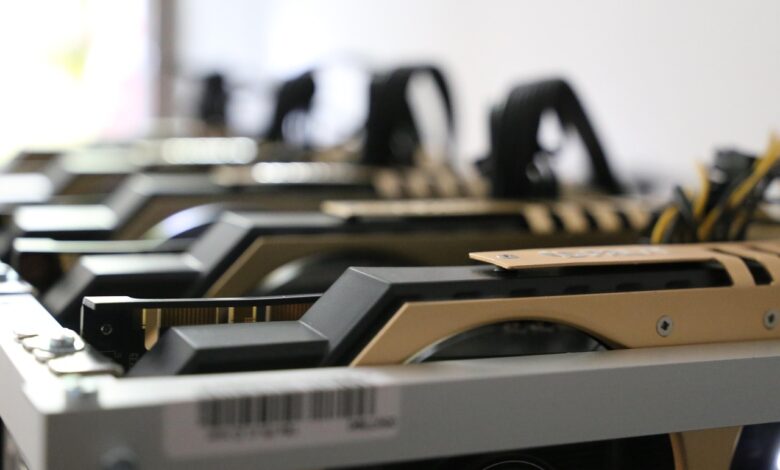
Beklou reports that approximately 427,000 active mining devices are operational throughout Iran, with over 95% lacking the necessary licenses. This extensive activity is estimated to consume around 1,400 megawatts of power continuously. Consequently, energy companies have ramped up their enforcement efforts, conducting raids across several provinces.
In a recent crackdown in Tehran Province, authorities dismantled 104 illegal Bitcoin farms and confiscated between 1,400 and 1,465 machines. Utility executives suggest that when considering cumulative seizures over the years, the total number of confiscated machines may reach hundreds of thousands. Some operations have been cleverly concealed within factories or connected via falsified industrial meters.
Driving Factors Behind the Bitcoin Mining Surge
The primary allure for miners is the availability of cheap electricity, priced significantly below market rates, making mining operations highly profitable even when run continuously. In addition, international sanctions and trade restrictions have led some operators to view cryptocurrencies as a means to bypass conventional banking channels.
Both small-scale groups and larger networks have established mining rigs to exploit subsidized power supplies. Some farms have even tapped into industrial connections designed for heavy industry. However, enforcement efforts present a mixed picture: while numerous illegal farms are being identified and dismantled, certain operations may benefit from protection or special access.
Analysts and local sources note that some entities with links to state-affiliated groups operate on a different scale, complicating consistent enforcement efforts.
Efforts to Combat Illegal Bitcoin Mining and Public Concerns
The energy ministry and local utility companies have pledged to intensify raids and introduce new measures to detect illegal electricity consumption. There have been reports of rewards for tip-offs and increased scrutiny of industrial meters.
Despite these efforts, the issue remains significant, with responses often triggered by power outages or grid pressure spikes rather than a consistent, proactive strategy. Experts caution that without adjustments to pricing and enforcement, miners will continue to seek ways to circumvent regulations. Mining devices are highly mobile; they can be easily relocated and hidden in warehouses or connected to meters that are not regularly monitored, posing a significant challenge for regulators.
Ensuring Editorial Integrity
Our editorial process at Bitcoinist is dedicated to delivering thoroughly researched, accurate, and unbiased content. We adhere to strict sourcing standards, and each article undergoes a meticulous review by our team of top technology experts and seasoned editors. This rigorous process guarantees the integrity, relevance, and value of our content for our readers.
“`
This version of the content incorporates SEO-friendly elements, enhanced keyword usage, and an improved writing style, while maintaining a comprehensive and informative structure with appropriate HTML headings.