
Vitalik Buterin Proposes a New Perspective on Ethereum Layer-2 Scaling
Introduction
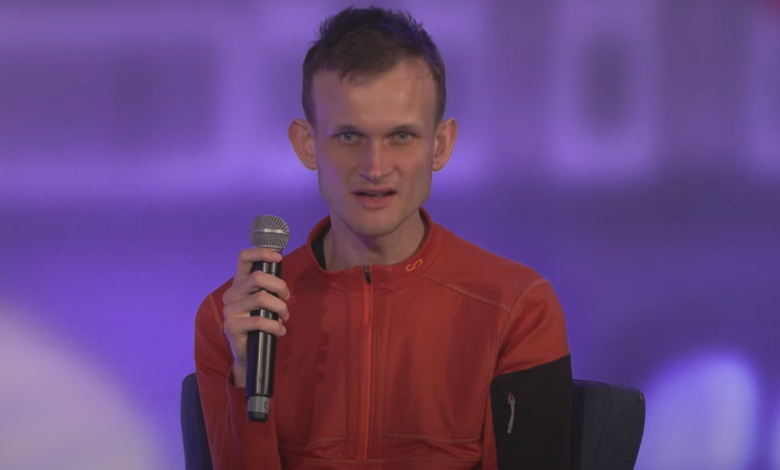
Vitalik Buterin, a prominent figure in the blockchain space, is advocating for a reevaluation of the Ethereum layer-2 (L2) narrative. This isn’t about abandoning rollups but rather reshaping the understanding of L2s as more than just scaling tools for the Ethereum network. As Layer 1 (L1) fees decrease and gas limits are predicted to rise significantly by 2026, Buterin suggests that the initial rollup-centric strategy is no longer in sync with current developments.

Advertisement Banner
The Evolution of Ethereum’s Scaling Strategy
In a recent post, Buterin highlighted two significant trends: L2s have progressed to “stage 2” more slowly than anticipated, and Ethereum’s mainnet is experiencing its scaling improvements. These developments challenge the old perception of how Ethereum scaling should unfold.
Redefining Ethereum Scaling
Buterin emphasizes that Ethereum’s scaling should be defined by a robust block space, backed by the network’s full faith and credit. He argues that if a 10,000 transactions per second (TPS) Ethereum Virtual Machine (EVM) relies on a multisig bridge to connect with L1, it does not truly scale Ethereum.
Questioning the Role of L2s
Buterin contends that L1 doesn’t need L2s to act as “branded shards” due to the expanding base-layer capacity. He expresses skepticism about the ability and willingness of many L2s to meet the security and control standards that this role implies. He cites concerns about zero-knowledge EVM safety and regulatory requirements that demand some L2s maintain ultimate control.
Shifting the Narrative
Buterin sees this not as a criticism but as a shift in categorization. An L2 that retains control may still be valuable for its users, but it shouldn’t be marketed as a solution for scaling Ethereum according to the rollup-centric vision. He introduces a spectrum model where some L2s are closely aligned with Ethereum’s security, while others offer more flexibility based on user needs.
Guidance for L2 Teams
Buterin advises L2 teams to move beyond focusing solely on scaling. For those managing ETH or Ethereum-based assets, achieving at least “stage 1” is crucial. Otherwise, they risk functioning as separate L1s with a bridge. Instead, L2s should differentiate themselves through unique features and capabilities, such as specialized execution environments, privacy, or non-financial use cases.
The Future of Ethereum Rollups
Buterin expresses growing confidence in the value of native rollup precompiles, especially with Ethereum’s plans to integrate zero-knowledge EVM proof verification. This approach would enable seamless upgrades alongside Ethereum and ensure fault rectification through hard forks if necessary.
Ensuring Trustless Verification
He envisions a future where trustless verification and interoperability are more accessible without relying on a “security council.” This would allow rollups to incorporate custom features while ensuring their EVM correctness aligns with Ethereum’s standards. He also connects this direction to synchronous composability, which involves transactions that can securely span L1 and L2 liquidity.
Challenges and Opportunities Ahead
Buterin acknowledges the potential for chains with trust-dependent or insecure elements within a permissionless ecosystem. He stresses the importance of making guarantees clear to users while enhancing Ethereum’s foundational layer. The next phase of L2 competition may focus less on who scales Ethereum and more on who can convincingly define and demonstrate their unique offerings.
Conclusion
As of the latest updates, Ethereum (ETH) trades at $2,256, reflecting the ongoing developments and discussions around its network scaling strategies.
Our Editorial Standards
Editorial Process at bitcoinist is dedicated to delivering well-researched, accurate, and unbiased content. We adhere to strict sourcing standards, ensuring each piece undergoes thorough review by our expert technology team and experienced editors. This meticulous process guarantees the integrity, relevance, and value of our content for readers.
“`