

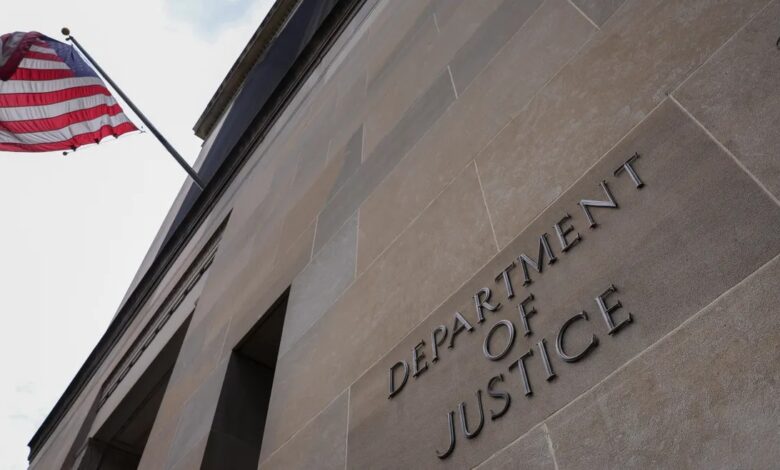
US Justice Department’s New Stance on DeFi Developers: A Paradigm Shift
Understanding the Shift in Federal Approach
In a groundbreaking policy transformation, the United States Department of Justice has redefined its position regarding decentralized finance, commonly referred to as DeFi. After years of ambiguity surrounding the liability of coders and developers within the blockchain space, a decisive distinction is being made between technological creation and criminal activity. This move marks a departure from previous enforcement strategies that often targeted developers for operating unlicensed money transmission services.
Clarifying Developer Liability
The announcement was made by Acting Assistant Attorney General Matthew Galeotti during a digital assets summit in Wyoming. He emphasized that the mere act of writing code should not be equated with criminal conduct. This represents a significant policy shift, as it steers away from punitive actions against developers lacking criminal intent.

Advertisement Banner
Money Transmission Rules: A Modern Debate
The stringent regulatory framework traditionally applied to money remittance businesses is being challenged by the advent of DeFi systems. While traditional payment platforms like PayPal and Cash App are subject to strict licensing and anti-money laundering regulations, DeFi platforms argue that such rules are incompatible with their decentralized, code-centric nature. These platforms assert that they do not exert control over user activities, making such regulations less applicable.
Intent Matters in DeFi Regulation
The shift in regulatory focus comes amidst high-profile cases such as the conviction of Roman Storm, co-founder of Tornado Cash, on charges of operating an unlicensed money transmission business. Tornado Cash, known for enhancing privacy in cryptocurrency transactions, has faced scrutiny for allegedly facilitating illicit finance. The case has spotlighted the complex dynamics of writing code versus enabling illegal activities.
Future Legal Considerations for DeFi Developers
Moving forward, Galeotti highlighted that prosecutors will require concrete evidence of developers’ intentions to aid fraud, sanctions evasion, or money laundering. This implies that innovation within the digital economy, aimed at value transmission and wealth creation, will not be criminalized absent ill-intent. The Justice Department’s focus will remain on combating global fraud and laundering networks, ensuring that genuine technological advancement is not stifled.