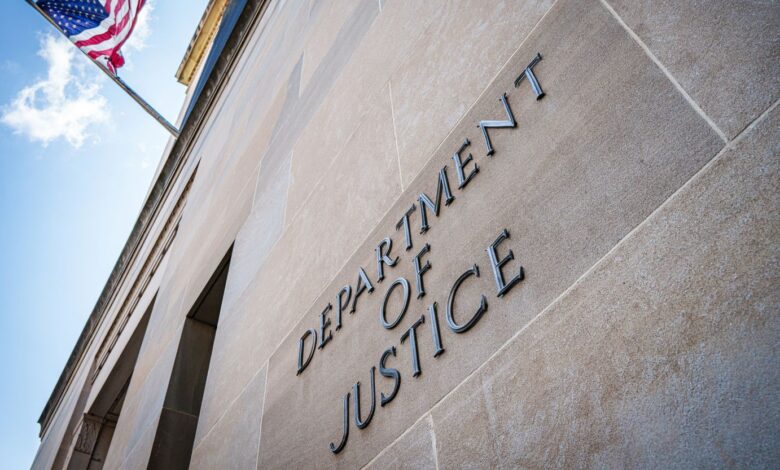
Senators Question Justice Department’s Crypto Policy Changes
In a recent development, the Justice Department’s decision to dissolve its specialized cryptocurrency enforcement team has come under scrutiny. This decision, made last year, has sparked renewed attention as six U.S. senators have demanded clarity from Deputy Attorney General Todd Blanche regarding his personal investments in digital currencies. The senators argue that the timing and nature of Blanche’s holdings raise significant concerns about potential conflicts of interest, necessitating transparency and a detailed explanation.
Senators Demand Transparency

Advertisement Banner
A letter dated January 28, 2026, addressed to Deputy Attorney General Todd Blanche, was spearheaded by Senator Mazie Hirono and co-signed by Senators Elizabeth Warren, Richard Durbin, Sheldon Whitehouse, Chris Coons, and Richard Blumenthal. The senators are seeking documentation and an explanation for the disbandment of the National Cryptocurrency Enforcement Team (NCET) in April 2025. They are particularly interested in understanding whether Blanche’s financial interests had any influence on this pivotal decision. The lawmakers underscore the importance of adherence to federal conflict of interest regulations and have requested a timeline and approvals related to the memo in question.
The Controversial Memo
The memo in question directed prosecutors to refrain from using enforcement actions as a substitute for regulation, stating that the department is “not a digital assets regulator.” It ordered the closure of the NCET, redirecting focus towards crimes such as trafficking, terrorism, and fraud that leverage cryptocurrency. Issued by Blanche in April 2025, this memo marked a significant shift in the approach of U.S. prosecutors towards cryptocurrency-related cases.
Financial Interests Under Scrutiny
Reports indicate that Blanche held substantial cryptocurrency assets at the time the policy was implemented. Public ethics filings estimate his holdings to be between $158,000 and $470,000, predominantly in major cryptocurrencies like Bitcoin and Ethereum, along with other crypto-related investments. Although Blanche agreed to divest, the sales or transfers occurred weeks to months following the memo’s issuance. While critics argue this sequence raises ethical concerns, supporters maintain that ethics officials vetted the decisions.
Debate on Policy Changes
Proponents of the policy shift argue it prevents “regulation by prosecution,” allowing regulatory bodies to oversee cryptocurrency matters rather than handling them as criminal cases. Industry groups praised the move, seeing it as a way to mitigate legal uncertainties for exchanges and developers. However, opponents, including the senators, express concerns that dismantling a dedicated enforcement unit might leave vulnerabilities for exploitation by malicious actors, especially given the volatile nature of illicit activities in the crypto space.
The Path Forward
Lawmakers are now pushing for comprehensive documentation and sworn statements. They are eager to ascertain when Blanche became aware of his cryptocurrency holdings, the promptness of his divestment, and the internal review process within the DOJ regarding the memo. The senators refer to federal regulations that prohibit officials from engaging in matters where they possess a financial interest. They have requested a detailed timeline and supporting records to ensure compliance with these regulations.
Editorial Integrity
Our Editorial Process at Bitcoinist is dedicated to providing meticulously researched, accurate, and impartial content. We adhere to stringent sourcing standards, ensuring each article is thoroughly vetted by our team of leading technology experts and seasoned editors. This rigorous process guarantees the integrity, relevance, and value of our content for our readers.