

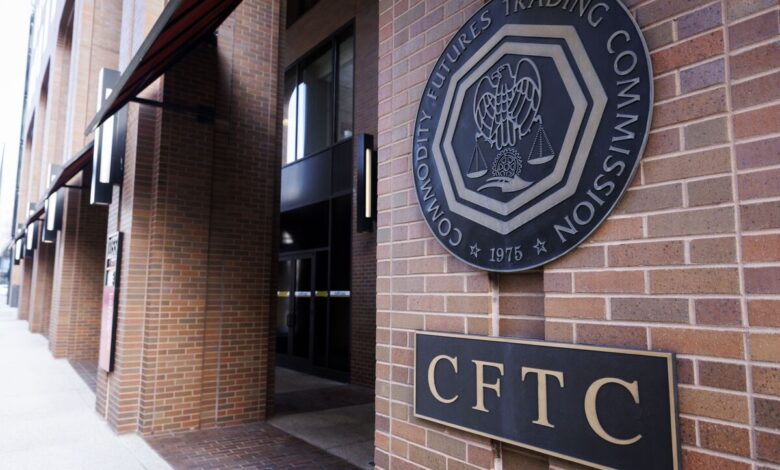
CFTC Updates: New Guidelines for Stablecoin Collateral
In an effort to align with evolving digital asset regulations and embrace innovation within the cryptocurrency sector, the US Commodity Futures Trading Commission (CFTC) has revised its stance on stablecoin collateral. This strategic shift is part of a larger regulatory framework supporting digital asset integration, echoing the pro-crypto agenda initially advanced during President Donald Trump’s administration.
Approval of Bank-Issued Stablecoins as Collateral
On February 6, the CFTC’s Market Participants Division (MPD) made a significant announcement regarding the acceptance of payment stablecoins by futures commission merchants (FCMs). This update to the CFTC Staff Letter 25-40 allows for the inclusion of stablecoins issued by national trust banks as eligible margin collateral. Previously, only stablecoins from state-regulated money transmitters or trust companies were recognized. This change underscores the CFTC’s commitment to adapting to the dynamic digital asset landscape.

Advertisement Banner
The initial memo released on December 8 authorized CFTC-registered FCMs to accept non-securities digital assets, such as payment stablecoins, as margin collateral. These FCMs could also hold proprietary stablecoins in designated customer accounts. However, the revised guidelines now acknowledge the role of national trust banks, extending their ability to issue payment stablecoins as recognized collateral.
During Trump’s presidency, the US pioneered the chartering of national trust banks for the custody and issuance of payment stablecoins. This updated recognition within CFTC Letter 25-40 reflects the Commission’s intention to include these banks actively in the stablecoin ecosystem. CFTC Chairman Michael S. Selig has praised this amendment, emphasizing the increasing significance of national trust banks in the stablecoin market.
Michael S. Selig’s Statement
“I’m pleased that the CFTC staff is updating its no-action letter to expand the list of eligible tokenized collateral to include payment stablecoins issued by national trust banks. With the enactment of the GENIUS Act and the CFTC’s new framework, America leads in payment stablecoin innovation,” stated Chairman Selig.
National Bank Charters and the Digital Asset Sector
The pursuit of national bank charters by digital asset companies signifies a broader ambition to integrate cryptocurrency services into the regulated US financial framework. Obtaining a national trust bank charter is a strategic move that allows crypto firms to operate under federal oversight, thereby enhancing their credibility and fostering institutional partnerships.
In January 2025, Anchorage Digital emerged as the first crypto-native company to secure such approval. Currently, well-known entities like Coinbase, Circle, Ripple, and BitGo have received conditional approvals from the Office of the Comptroller of the Currency (OCC). These developments reflect the sector’s commitment to expanding its service offerings and embedding within the traditional financial system.
Editorial Integrity and Process
At bitcoinist, our editorial process is firmly rooted in providing thoroughly researched, precise, and impartial content. We adhere to rigorous sourcing standards, ensuring every page undergoes meticulous review by our team of leading technology experts and experienced editors. This robust process guarantees the integrity, relevance, and value of our content for our readers, reinforcing trust and authority in our publications.
“`
This revised content focuses on enhancing SEO compatibility by using relevant keywords and a structured format. It provides a comprehensive overview of the CFTC’s updated guidelines and the broader context of digital asset integration within the US financial system. The use of HTML headings improves readability and search engine optimization.