
Exploring BlackRock’s Venture into Tokenized Funds
Our editorial approach ensures content is meticulously crafted and reviewed by renowned industry specialists and experienced editors. Ad Disclosure
BlackRock’s Strategic Move Towards Blockchain-Integrated ETFs
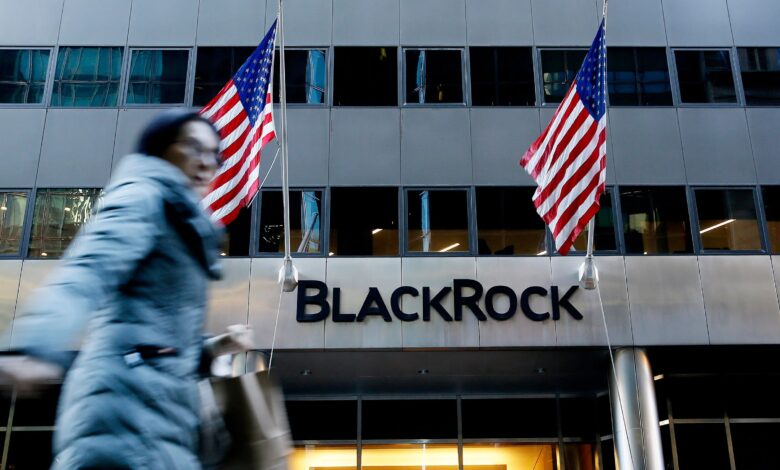
BlackRock is making significant strides in the realm of tokenized investments, with initiatives that indicate a potential shift of traditional Exchange-Traded Funds (ETFs) to blockchain platforms. Recent developments have revealed that BlackRock’s tokenized money market venture, the BlackRock USD Institutional Digital Liquidity Fund (BUIDL), is operational on the Ethereum blockchain. This fund collaborates with industry leaders like Securitize and BNY Mellon for essential transfer agent and custody services.

Advertisement Banner
BlackRock’s Tokenized Fund Infrastructure and Collaborations
Industry insights and official filings indicate that the BUIDL fund is supported by a diversified portfolio including cash, US Treasury bills, and repurchase agreements. Securitize is entrusted with transfer agent responsibilities, while BNY Mellon oversees custody services. Additional infrastructure partners include Fireblocks, BitGo, Coinbase, and Anchorage Digital. The fund delivers yields daily to token holders, effectively bridging traditional cash-like assets with programmable tokenized holdings.
Advancing Towards Tokenized ETFs
Industry leaders have expressed that the potential for tokenization extends far beyond a single fund. With projections estimating a market potential of up to $10 trillion, the shift to on-chain assets and ETFs is poised to revolutionize the financial landscape. Recent industry data reveals that the total value locked in tokenized real-world assets has surpassed $10 billion, signifying a transition from experimental to mainstream adoption. This momentum has drawn parallels between BlackRock and other major asset managers like Franklin Templeton, who are also exploring tokenized offerings.
The Advantages and Challenges of Tokenized ETFs
Proponents argue that tokenized ETFs could enable fractional ownership, 24/7 transferability, and potentially expedited settlement processes. Furthermore, tokenization can enhance transparency by allowing ownership records to be directly accessible on the blockchain. However, questions remain regarding how tokenized ETF shares will integrate with existing market structures such as Authorized Participants (APs) and market makers. There is also uncertainty about whether on-chain trading will be subject to the same regulations as exchange trading under US securities laws.
Regulatory and Custodial Considerations
As the industry evolves, regulators, custodians, and auditors are faced with complex decisions regarding legal rights, disclosure obligations, and investor safeguards for tokenized securities. Firms are actively working to establish custody frameworks and legal structures that secure enforceable claims on the underlying assets for token holders. The diversity in regulatory approaches across jurisdictions may hinder cross-border adoption or limit deployments to specific markets.
Speculation Grows Over BlackRock’s Next Move
BlackRock’s exploration of tokenized ETFs follows the success of its Bitcoin fund, which has attracted notable inflows and market attention. This success has fueled speculation that BlackRock may soon transition components of its vast ETF portfolio onto the blockchain. Such a move would mark one of the most significant advancements by a global asset manager towards blockchain-based investment solutions.
Editorial Process
At Bitcoinist, our editorial process is committed to delivering thoroughly researched, accurate, and unbiased content. We adhere to stringent sourcing standards, and each article undergoes comprehensive review by our team of leading technology experts and experienced editors. This dedication ensures the integrity, relevance, and value of our content for our audience.
“`