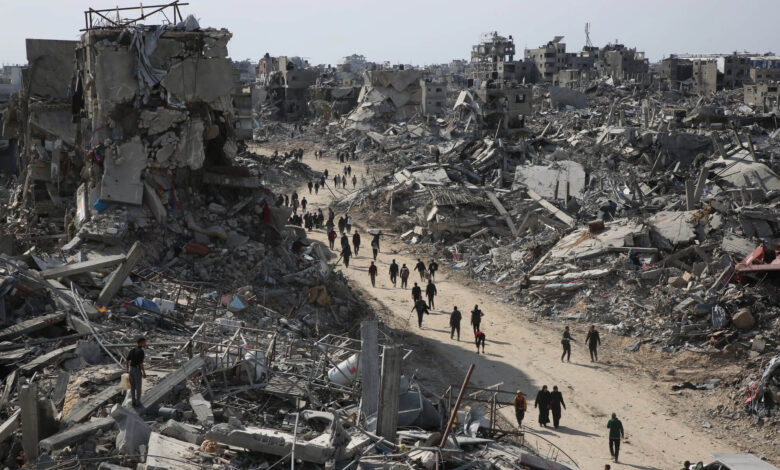
Exploring the Proposal for a US Dollar-Backed Stablecoin in Gaza
The idea of introducing a US dollar-backed stablecoin for Gaza is being considered by an advisory group associated with US President Donald Trump. This initiative aims to address the severe cash shortages and disrupted banking services in the region.
Board of Peace: A Vision for Financial Stability
The proposed stablecoin initiative is under discussion by the Board of Peace and several external advisors. According to insights from the Financial Times, the plan seeks to ensure that aid distribution and basic commerce can persist even when traditional banking systems and ATMs are non-operational.

Advertisement Banner
Membership and Influence
Joining the Board of Peace reportedly requires a $1 billion contribution, a stipulation that has sparked discussions about power dynamics and regulatory oversight. The board was first announced by Trump in January.
Technical Backing and Strategic Planning
Technological support for this effort is evident, with figures like Liran Tancman, who is associated with dialogues with Gaza’s National Committee for the Administration of Gaza, contributing to the early planning stages. The discourse revolves around the creation of a currency token tied to the US dollar, capable of facilitating transactions for essentials like food, medicine, and fuel, circumventing the need for operational local banks.
Exploration of a Crypto Stablecoin for Gaza
The Financial Times reports that Trump’s Board of Peace is considering a US dollar-backed crypto stablecoin concept for Gaza. Although still in the exploratory stage, this initiative could align the reconstruction of Gaza with a crypto-based financial experiment.
Facilitating Transactions Through Stablecoin
Advocates of the stablecoin argue that it could reduce transactional friction. In scenarios where cash is scarce and banking systems fail, a digital token accessible via mobile devices could streamline value transfers between traders and humanitarian organizations. Additionally, it may provide a means for international donors to offer assistance with reduced intermediary involvement. However, unresolved issues include the management of reserves, auditing processes, and the legal framework governing transactions.
Potential Challenges and Risks
There are concerns about the political and logistical complexities of the proposal. Critics caution that implementing a unique token for Gaza might intensify its economic segregation from neighboring markets and complicate cooperation with the West Bank. Furthermore, unreliable internet connectivity and the risk of digital disruptions during conflicts add to the apprehensions. The debate also extends to which entities would manage funds and the protocols for issuing or retracting tokens in adverse situations.
Implementation Strategies
The proposal remains in its infancy, with no definitive issuing authority selected. Various models are under consideration. One approach suggests entrusting a reliable external entity with the management of dollar reserves and the ledger, while another envisions local partners overseeing routine distribution. Both strategies emphasize the importance of implementing safeguards such as independent audits, multi-party reserve control, and stringent spending regulations for essential commodities. These remain conceptual ideas rather than concrete plans.
Editorial Excellence at Bitcoinist
At Bitcoinist, our editorial process is committed to providing meticulously researched, precise, and impartial content. We adhere to rigorous sourcing standards, and each page undergoes thorough evaluation by our team of distinguished technology specialists and experienced editors. This ensures the accuracy, relevance, and value of our content for our readers.
“`
This rewritten content is designed to be unique and SEO-friendly, with added structure and keywords to enhance search engine visibility and reader engagement.