

US Tightens Grip on Crypto with Sanctions on Iranian-Linked Exchanges
Expertly curated content by industry leaders and experienced editors. Ad Disclosure
US Authorities Target Iranian Crypto Channels
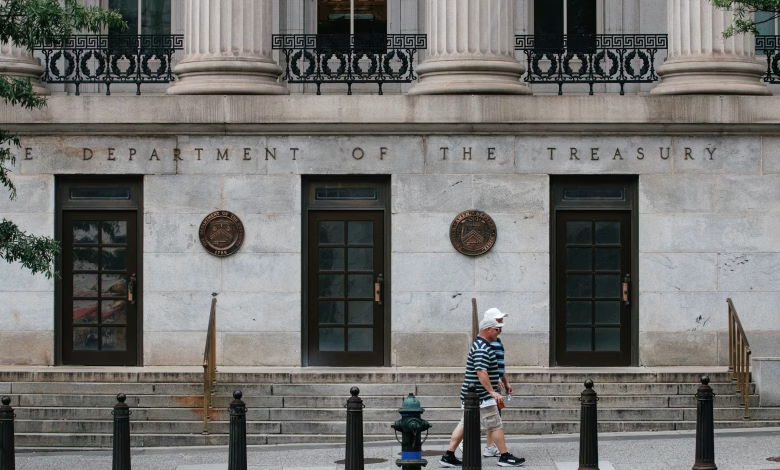
In a decisive move, the United States has targeted what officials describe as a significant cryptocurrency pipeline used by Iranian entities. Two platforms registered in London have been added to the sanctions list, effectively preventing US individuals and companies from engaging with them.
Unprecedented Exchange Sanctions
According to announcements from the US Treasury and insights from blockchain analysts, these sanctions are groundbreaking as they focus on the exchange infrastructure rather than solely targeting individuals. Reports have identified Zedcex Exchange Ltd. and Zedxion Exchange Ltd. as participants in financial transactions associated with Iran’s Islamic Revolutionary Guard Corps.
Redefining Enforcement Strategies
On-chain analysis suggests this move follows extensive tracing of cryptocurrency flows allegedly facilitating Iranian state-linked activities. Notably, Zedcex is reported to have handled over $94 billion in transactions since its inception in 2022, attracting the scrutiny of investigators.

Advertisement Banner
Senior Iranian Officials Also Targeted
The sanctions extend beyond cryptocurrency platforms. US authorities have also blacklisted Iran’s interior minister and several high-ranking officials, citing their involvement in violently suppressing protests and misappropriating funds. These measures aim to cut off financial resources that support oppressive actions.
Discovery of Illicit Crypto Activities
Investigations revealed that these exchanges may have been used as intermediaries for transactions connected to Iranian networks. Blockchain forensics experts and law enforcement agencies discovered wallet activities linked to IRGC interests, implicating these platforms and bolstering the case for sanctions.
Market and Industry Repercussions
While the market reacted cautiously, the wider cryptocurrency sector remained stable. Trading continued on many regulated platforms, and global exchanges started re-evaluating their connections and enhancing compliance measures. Service providers are expected to block interactions with the newly sanctioned entities to avoid secondary penalties.
This move reflects a more stringent approach to using cryptocurrencies for circumventing financial regulations. Analysts predict that regulators will increasingly target infrastructure components as part of illegal financing networks. While some experts caution that this may drive bad actors to find more complex methods, others anticipate clearer regulations and more collaboration between crypto businesses and authorities.