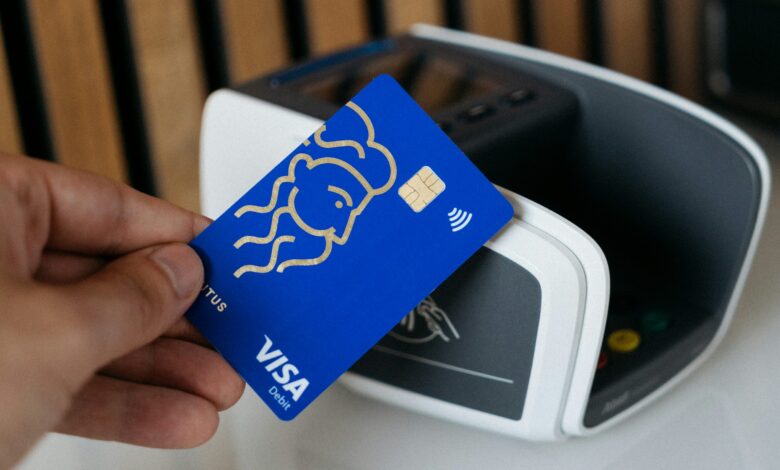
Visa’s Revolutionary Stablecoin Initiative: A New Era for Freelancer Payments
In an exciting development for the gig economy, Visa has embarked on a groundbreaking initiative to streamline payments to freelancers, creators, and gig workers. By leveraging stablecoin technology, the financial giant aims to expedite payment processing, offering a swift alternative to traditional banking methods.
Understanding the Visa Stablecoin Pilot Program
Visa’s pilot project is designed to allow businesses to make payouts in fiat currency while recipients receive the equivalent in USD-backed stablecoins, such as USDC, directly into their cryptocurrency wallets. This innovative approach necessitates completing Know Your Customer (KYC) and Anti-Money Laundering (AML) checks, with platforms integrating the necessary infrastructure to facilitate fiat-to-stablecoin conversions.

Advertisement Banner
Currently, the pilot is being trialed through Visa Direct, Visa’s extensive money-movement service known for its global reach across over 195 countries and territories.
Accelerating Payment Speed and Enhancing Global Reach
The primary benefit of this initiative is its potential to significantly reduce transfer times. While traditional banking methods can take several days, stablecoin transactions can be completed within minutes. This improvement is particularly beneficial for creators and freelancers who require immediate access to funds for essential expenses.
Research conducted by Visa highlights that 57% of digital creators prioritize instant access to their earnings as a crucial factor in selecting payment methods. Given Visa Direct’s capacity to process billions of transactions annually, the pilot program’s expansion is anticipated in the latter half of 2026, following comprehensive client onboarding and regulatory compliance.
Advantages for Freelancers and Remote Workers
For freelancers operating in international markets, receiving payments in USD-pegged stablecoins offers a buffer against local currency fluctuations and circumvents sluggish local banking systems. Recipients have the flexibility to hold stablecoins, convert them to local currency via crypto exchanges, or transfer them to bank accounts where permitted.
This adaptability is particularly advantageous in regions where banking infrastructure is underdeveloped or subject to currency controls. However, it is worth noting that not all creators and gig workers may immediately embrace this new payment method, as traditional payouts still hold appeal for many.
Addressing Adoption Challenges and Technical Considerations
Despite its potential, the adoption of stablecoin payments faces practical hurdles. Many recipients lack compatible wallets or experience in managing stablecoins, custody keys, and conversions. Moreover, businesses must decide who will shoulder conversion fees and how to present payment options to payees.
On the business side, integrating secure fiat-to-stablecoin conversions and managing on-chain settlements requires careful consideration to mitigate risks for customers.
Visa’s Editorial Integrity
Visa remains committed to upholding the highest editorial standards, ensuring that all content is thoroughly researched, accurate, and unbiased. Each piece undergoes rigorous review by top industry experts and experienced editors, guaranteeing the integrity and value of the information provided to readers.