

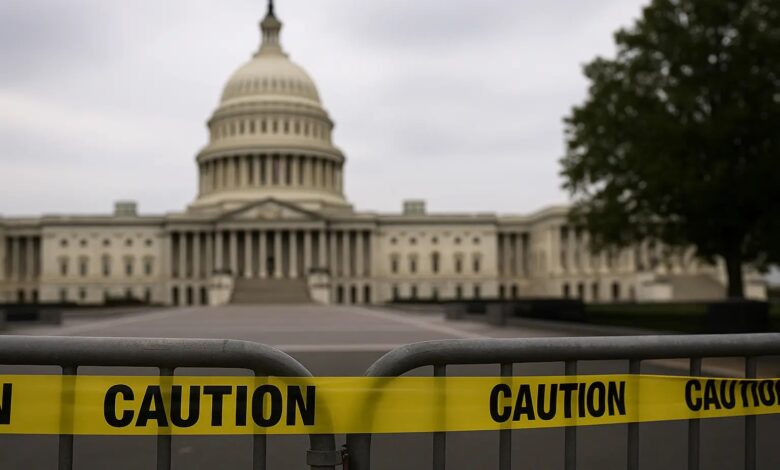
Comprehensive Analysis of Proposed DeFi Regulations by the US Senate Banking Committee
Our editorial team, comprising leading industry experts and seasoned editors, offers thoroughly vetted content. Please note that this piece contains advertising disclosures.
Overview of Proposed DeFi Regulations
A newly leaked draft from the US Senate Banking Committee’s Democratic members suggests a robust regulatory framework for decentralized finance (DeFi). The proposal aims to classify any individuals or entities involved in the “designing, deploying, operating, or profiting from a DeFi front-end” as brokers, necessitating registration with the Securities and Exchange Commission (SEC) or the Commodity Futures Trading Commission (CFTC).

Advertisement Banner
Furthermore, the draft extends Know Your Customer (KYC) and Anti-Money Laundering (AML) requirements to DeFi interfaces, including non-custodial wallets and user interface hosts. Additionally, it empowers the U.S. Treasury to maintain a “restricted list” of potentially risky protocols and front-ends. While there are exemptions for “sufficiently decentralized” protocols that do not monetize, and for open-source developers who do not profit from these technologies, critics argue that the compliance requirements present significant challenges for most U.S.-based teams.
Negative Reception and Market Reactions
The crypto community’s response was immediate and critical. Jake Chervinsky, Chief Legal Officer at Variant, described the proposal as encompassing “everyone in crypto,” equating it to an effective ban on U.S. DeFi front-ends. Similarly, Summer Mersinger from the Blockchain Association warned that such measures could “effectively ban DeFi, wallet development, and other applications in the United States,” potentially driving responsible innovators offshore.
In response to these regulatory uncertainties, market indicators showed a decline, with a DeFi index falling by 3–4%. Notable underperformers included HYPE and ASTR. Beyond the immediate market impacts, there are concerns about a chilling effect on hiring, fundraising, and product development for front-end operators and wallet providers if they are required to implement full broker-style compliance systems.
Political Dynamics and Potential Innovation Shift
The Senate has been moving towards a bipartisan consensus on digital asset market structures following the House’s approval of the Digital Asset Market Clarity Act. However, the Democrats’ DeFi proposal, partly motivated by concerns over illicit finance and national security, may impede progress in the Senate, which requires a 60-vote majority for passage.
If the provisions regarding the “restricted list” and front-end broker requirements remain intact, significant lobbying, civil-liberties challenges, and possible court cases are anticipated. Analysts caution that the U.S. might lose its competitive edge in developer talent and liquidity to Europe’s MiCA framework, which already provides clear guidelines for token issuers and service providers.
Potential Consequences of Senate DeFi Regulations
The leaked draft increases the likelihood of a short-term slowdown in U.S. DeFi activities, as teams reevaluate their legal risks and investors await greater clarity. For the market, key areas of focus include (1) potential modifications to front-end and wallet responsibilities, (2) statutory definitions of “sufficient decentralization,” and (3) the scope of the Treasury’s blacklist authority.
Without substantial amendments, the U.S. risks trading consumer protection for an exodus of talent and innovation, with accompanying tax revenues flowing to jurisdictions with more favorable regulatory environments.
Our Editorial Commitment
At bitcoinist, we are committed to delivering meticulously researched, accurate, and impartial content. We adhere to rigorous sourcing standards, and each page undergoes a comprehensive review by our top technology experts and experienced editors. This process guarantees the integrity, relevance, and value of our content for our readers.
“`