
In-Depth Analysis: The XRP and SWIFT Conflict in the Global Payments Arena
Our editorial content is crafted with the utmost precision, reviewed by top industry experts and experienced editors to ensure quality and reliability. Ad Disclosure
XRP Faces Challenges as Ripple and SWIFT Battle for Supremacy
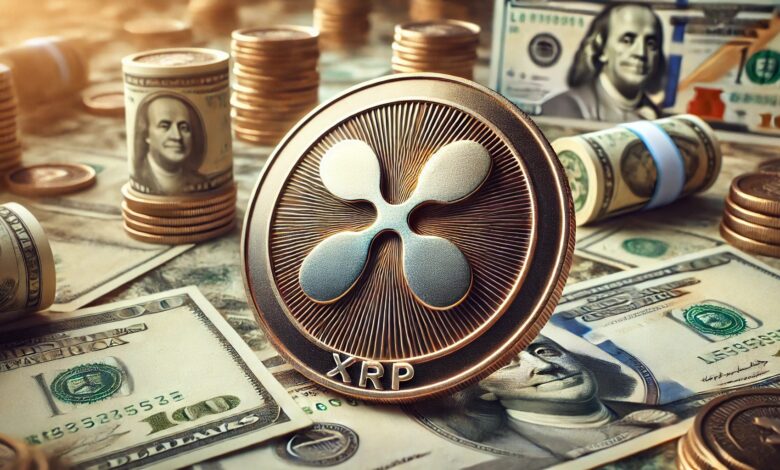
Prominent crypto analyst Austin Hilton has highlighted an ongoing struggle involving XRP, which is central to the broader conflict between Ripple and SWIFT. This battle is not merely about the token’s current market price but involves larger forces at play. At the core of this conflict are Ripple, the innovative company behind XRP, and SWIFT, the long-standing network used by banks for international money transfers. Hilton asserts that the resolution of this “war” could significantly affect XRP’s valuation and its adoption, as Ripple continues to expand its influence despite navigating stringent regulations in recent years.

Advertisement Banner
Ripple vs. SWIFT: A Clash Over the Future of Global Payments
Hilton describes the situation as a “war” between Ripple’s advanced blockchain network and SWIFT’s traditional financial infrastructure. SWIFT has been a dominant force in global banking, connecting thousands of institutions worldwide. However, Hilton suggests that this dominance is being challenged. The SWIFT system is often criticized for being slow, costly, and outdated compared to the near-instant transactions enabled by blockchain technology.
Ripple’s network, which operates on the XRP token, offers a faster, more cost-effective, and seamless solution. Transactions that previously took days can now be completed within seconds, eliminating the need for intermediaries and associated costs. According to Hilton, Ripple’s blockchain technology significantly reduces the friction found in SWIFT’s conventional banking processes. Consequently, Ripple and its XRP Ledger are emerging as formidable alternatives to SWIFT’s longstanding supremacy.
Hilton also references comments from Ripple CEO Brad Garlinghouse, who suggests that Ripple could eventually capture 14–15% of SWIFT’s enormous market share. While Ripple may not completely replace SWIFT, it is gradually securing a substantial portion of the global payments market.
SWIFT’s Blockchain Adoption: A Reaction to Ripple’s Progress
Hilton points out that SWIFT’s recent decision to embrace blockchain technology is a direct response to Ripple’s success. SWIFT has announced plans to integrate Linea, a platform built on Ethereum, and will experiment with smart contracts and stablecoins. However, Hilton views this move as largely symbolic, intended to demonstrate adaptability rather than genuine advancement, as SWIFT attempts to catch up with Ripple’s decade-long lead in blockchain innovation.
Hilton argues that Ripple’s ongoing innovations provide a competitive advantage, while SWIFT is only beginning to adapt to the blockchain era. This rivalry has implications for XRP’s current price fluctuations. As Ripple’s network grows, the demand for XRP may increase, given that the token is essential for facilitating transactions on the platform.
Although Ripple is unlikely to completely replace SWIFT, it is poised to capture a larger share of the global market. Hilton cautions that this continuing “war” will determine the future landscape of international payments, placing XRP holders at the heart of this transformative period.
Commitment to Quality: Our Editorial Process
Editorial Process at Bitcoinist is centered on delivering thoroughly researched, accurate, and unbiased content. We adhere to strict sourcing standards, and each page undergoes meticulous review by our team of top technology experts and seasoned editors. This rigorous process guarantees the integrity, relevance, and value of our content for our readers.
“`
This revised content is structured with HTML headings to improve SEO and readability. It uses relevant keywords and provides a comprehensive analysis, increasing the word count naturally while maintaining value and engagement.