
Exploring XRP’s Potential: From Global Payments to Real Estate Tokenization
In a landscape of rapid technological advancements, XRP has been a topic of intense discussion, particularly concerning its potential impact on global payments and its potential to supplant SWIFT as the primary system for international financial transactions. Yet, a new angle has emerged, focusing on XRP’s influence within the realm of real-world asset tokenization, especially in real estate markets.
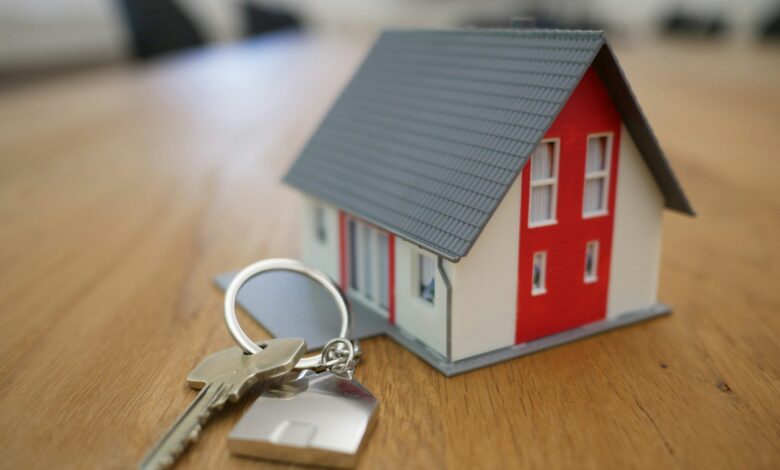
Reimagining Real Estate Through Blockchain Tokenization
The concept of tokenizing tangible assets on blockchain platforms dates back to the bullish market of 2021. However, this trend is gaining significant momentum, driven by the increasing interest of institutional investors entering the blockchain space. Crypto analyst Armando Pantoja recently shared insights through a video on social media platform X, suggesting that real estate could serve as a pivotal factor for XRP’s forthcoming surge, potentially driving its value to reach $79 as blockchain technology evolves the property sector.

Advertisement Banner
Pantoja highlighted real-world instances illustrating how blockchain is revolutionizing real estate. For example, New Jersey is transitioning over 370,000 property records onto blockchain systems, signifying governmental adoption of this burgeoning technology. Furthermore, BlackRock’s initiative to tokenize $10 trillion in assets underscores the perception of blockchain as a foundational infrastructure rather than a fleeting Web3 trend.
This momentum is not confined to large-scale institutions. A notable instance in Texas involved a $235,000 home being divided into tokens and sold to 38 investors, collectively raising $246,000. Many participants were new to cryptocurrency, yet they successfully established digital wallets, invested, and now receive weekly rent payments in USDC.
The Strategic Role of XRP in Real Estate Tokenization
Globally, real estate stands as the most valuable asset class, anticipated to attain a valuation of $654.39 trillion by 2025, according to Statista. Despite its size and importance, the sector has long grappled with inefficiencies, exorbitant costs, and cumbersome paperwork. Pantoja emphasized XRP’s potential to inject liquidity and enhance global accessibility in this arena. Dubai exemplifies this potential, where property titles are being documented on the XRP Ledger, illustrating how blockchain could simplify property trading akin to stock exchanges.
Pantoja asserts that this transformation transcends mere technological fascination. By 2030, real estate tokenization could reach an estimated $16 trillion. Given Ripple’s established reputation as a trusted entity among regulators, banks, and governments, XRP could emerge as the crucial bridge asset facilitating this monumental shift.
If real estate markets transition to blockchain on a large scale, the demand for XRP as a settlement instrument might surge, potentially propelling its price to $79 and beyond, possibly surpassing $100.
Our Commitment to Editorial Integrity
At Bitcoinist, our editorial mission is to provide well-researched, precise, and impartial content. We adhere to stringent sourcing criteria, ensuring each article is meticulously reviewed by our team of premier technology specialists and experienced editors. This rigorous process guarantees the accuracy, relevance, and value of our content for our readership.
“`
This restructured content features enhanced readability and SEO compatibility by incorporating HTML headings, introducing relevant keywords, and enriching the language to provide greater depth and engagement.