Exploring the Impact of a New Executive Order on Cryptocurrency Inclusion in Retirement Plans
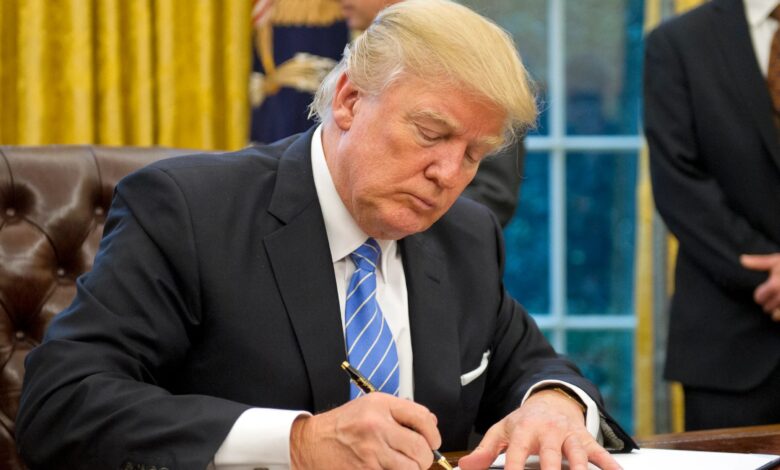
In an insightful conversation with CNBC, Mike Novogratz, the CEO of Galaxy Digital, discussed how a recent executive order from former US President Donald Trump could potentially pave the way for retirement plans to incorporate cryptocurrencies. This development highlights an intriguing shift in financial strategies and retirement planning options in the United States.
Potential Changes in Retirement Savings Strategies
The executive order reportedly directs the Labor Department to reassess the ERISA regulations, enabling the inclusion of alternative assets like cryptocurrencies, private equity, and real estate in 401(k) plans. While this policy shift signifies a noteworthy change, it is essential to understand that it may not immediately alter the current operations of these retirement plans.

Advertisement Banner
Americans collectively hold approximately $8.7 trillion in 401(k) assets. Even a modest allocation of these funds into cryptocurrencies could have a substantial impact. Novogratz suggests that if financial giants like Fidelity, BlackRock, or T. Rowe Price make cryptocurrencies available in retirement-friendly formats, it could democratize access to digital assets for everyday savers through tax-advantaged accounts.
Navigating Fiduciary and Operational Challenges
Despite the promising potential, plan sponsors and record-keepers must adhere to ERISA’s fiduciary duties, ensuring they act prudently on behalf of participants. The introduction of volatile assets like cryptocurrencies poses legal and compliance challenges, necessitating careful consideration by regulators and plan providers before substantial crypto positions are integrated into retirement accounts.
To successfully incorporate cryptocurrencies into defined contribution plans, plan administrators must develop solutions for custody, audit trails, and cost-effective product structures. Many crypto investment vehicles come with lockup periods or higher fees, conflicting with the typical structure of 401(k) menus. Additionally, sharp value declines could invite scrutiny from plan participants and legal challenges.
Market Dynamics and Institutional Interest
The reaction to market shifts is evident, with Bitcoin recently trading at $116,500, marking a 3% increase, and Ethereum at $3,810, a 6% rise over the same period. Novogratz cites institutional products like BlackRock’s Bitcoin Trust as evidence of growing demand, offering accessible entry points for both large institutional investors and retail participants.
Gradual Implementation of Cryptocurrency in Retirement Plans
Despite the executive order’s potential, a sudden, widespread adoption of cryptocurrencies in retirement accounts is unlikely. Major financial institutions are expected to conduct pilot programs to test custody and compliance systems before providing broader access. Plan sponsors might initially offer small, optional allocations or specialized windows rather than integrating crypto into default funds. Given time, even minor allocations across numerous accounts could lead to significant dollar flows into cryptocurrencies.
In summary, while the executive order represents a significant political gesture, it may gradually steer retirement capital toward cryptocurrencies over time, contingent upon final approval and implementation. This development underscores an evolving landscape in financial planning, potentially reshaping how individuals approach retirement savings in the future.
Commitment to Editorial Excellence
At Bitcoinist, our editorial process is dedicated to providing thoroughly researched, accurate, and unbiased content. We adhere to stringent sourcing standards, and each article undergoes meticulous review by our team of leading technology experts and seasoned editors. This rigorous process ensures the integrity, relevance, and value of the information we deliver to our readers.