Russia’s Energy Theft Scandal: Bitcoin Mining and Legal Challenges
In a significant development within Russia’s cryptocurrency landscape, a former executive from the nation’s electric grid industry has found himself embroiled in controversy. This individual has reportedly lost approximately ₽7 million (equivalent to $88,570) in Bitcoin following a law enforcement operation that seized his digital currency holdings.
Unveiling the Bitcoin Seizure
The Investigative Committee for the Amur Oblast issued a press release detailing the incident. The ex-executive, who once led the technological connection services department at the Far Eastern Distribution Company, allegedly exploited his insider knowledge for personal gain. By tapping into the grid, he established mining rigs within his residence, circumventing standard electricity metering protocols.

Advertisement Banner
It is alleged that, in 2024, he manipulated metering devices to pilfer over ₽3.5 million (approximately $44,334) in electricity, enabling him to mine roughly 0.8414 BTC. The operation came to the attention of authorities when the Federal Security Service joined forces with Russia’s main federal investigative body. Together, they executed a raid on his property, securing control over his digital wallet.
Insights into the Law Enforcement Operation
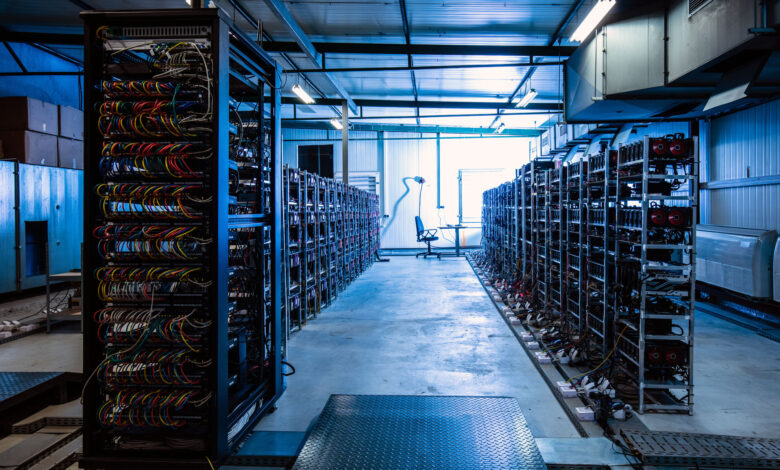
Reports from the Amur branch of the Far Eastern Distribution Company revealed irregular power consumption patterns at the former executive’s residence. Investigators claim he made unauthorized connections to his employer’s grid infrastructure, skillfully concealing the additional load from standard metering devices. Upon executing the raid, authorities discovered an array of mining rigs actively employed in his residential building, generating approximately 0.8414 BTC, valued at around ₽7 million at the time of the seizure.
Electricity Theft and Crypto Mining: A Common Practice
According to the investigation, the individual illicitly accessed the DRSC’s distribution network, circumventing conventional billing procedures by rerouting power lines and manipulating meters. This practice allowed him to accumulate more than ₽3.5 million in unpaid electricity bills over time. The stolen electricity empowered him to mine Bitcoin within a space that outwardly resembled any typical apartment. The press release highlighted that he also utilized his position to endorse fraudulent connections for others while diverting electricity for personal mining activities.
Furthermore, officers uncovered evidence of bribery, implicating local business owners who paid him to expedite approvals for power-related documentation.
Legal Complexities and Evolving Regulations
In Russia, the legal status of Bitcoin and other cryptocurrencies remains ambiguous, complicating matters for those engaged in mining or holding digital assets. However, recent developments indicate progress in addressing these uncertainties. A draft law, unveiled in April, seeks to classify crypto assets as intangible property in criminal cases, thereby facilitating their seizure by law enforcement agencies.
Should this legislation become law, courts would gain the authority to order the confiscation of Bitcoin and other digital tokens with greater ease. Until then, investigators have relied on existing anti-theft and anti-corruption statutes to seize cryptocurrencies, as seen in previous cases involving substantial crypto holdings.
Russia’s Intensified Crackdown on Cryptocurrency Activities
The arrest of this former executive is part of a broader initiative by Russian authorities to combat illicit cryptocurrency activities. Over the past year, the nation has taken significant steps to dismantle darknet markets, target insider traders utilizing crypto for concealment, and thwart those exploiting power grids for unauthorized mining operations.
Reports suggest that federal agencies are increasingly concerned about the prevalence of free power theft among local miners, particularly in remote regions where regulatory oversight is less stringent.
Editorial Integrity at Bitcoinist
At Bitcoinist, our editorial process prioritizes the delivery of meticulously researched, accurate, and unbiased content. We adhere to stringent sourcing standards, and each page undergoes rigorous review by our team of leading technology experts and experienced editors. This commitment ensures the integrity, relevance, and value of our content for our esteemed readers.