

Analyzing Pakistan’s Ambitious Bitcoin Plan and IMF’s Response
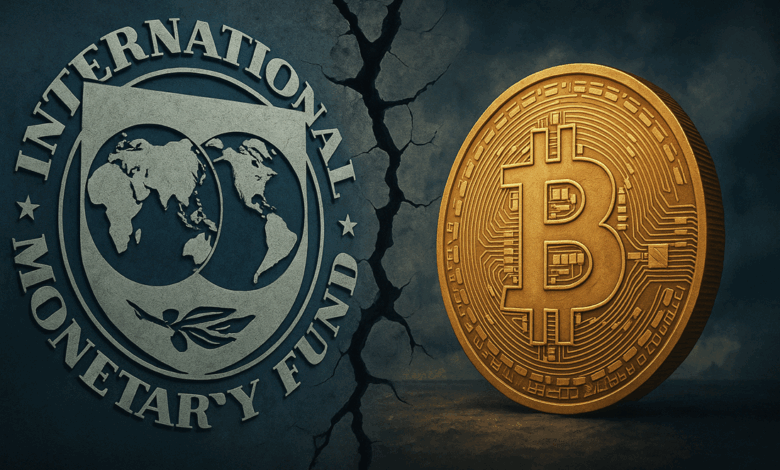
In recent developments, Pakistan has proposed a groundbreaking initiative to direct 2,000 megawatts of surplus energy towards Bitcoin mining and AI data centers. However, the International Monetary Fund (IMF) has expressed concerns and requested an urgent meeting with Pakistan’s Finance Ministry. This meeting comes amid ongoing discussions about Pakistan’s 2025/26 budget, following the country’s recent receipt of $1.02 billion as part of a $7 billion Extended Fund Facility.
IMF’s Concerns Over Pakistan’s Bitcoin Mining Plans
The IMF’s request for clarification highlights their apprehension about Pakistan’s new energy allocation strategy. This initiative arrives just as Pakistan has secured a second disbursement of funds under the Extended Fund Facility, totaling approximately $2 billion this year. Additionally, the IMF has approved a $1.4 billion climate resilience program, underscoring Islamabad’s reliance on international financial support, especially as it faces over $22 billion in external debt obligations for the upcoming fiscal year, as reported by Fitch Ratings.

Advertisement Banner
Challenges and Complexities in the Negotiations
An official involved in the IMF discussions revealed that the Bitcoin mining announcement has complicated ongoing negotiations. “The move has intensified the complexities already present in discussions with the IMF,” the official stated. The economic team now faces increased scrutiny, with this initiative adding another layer of difficulty to their talks.
Potential Roadblocks for Pakistan’s Bitcoin Ambitions
Daniel Batten, a climate tech investor known for his insights into Bitcoin’s energy impact, suggests that Pakistan could face significant obstacles in realizing its Bitcoin aspirations. “Despite my optimism, I fear Pakistan might struggle with its Bitcoin plans, largely due to IMF’s influence,” Batten shared on social media.
IMF’s Strategic Concerns with Bitcoin
Batten outlines what he calls the IMF’s “five-fold exposure” to Bitcoin: reducing remittance costs, undermining seigniorage benefits, offering an alternative for foreign-exchange reserves, decreasing dependence on multilateral loans, and enabling peer-to-peer transactions that bypass traditional financial systems. “Bitcoin poses a multifaceted threat to the IMF,” he asserts.
Historical Precedents of IMF Opposition
Drawing on historical examples, Batten notes that the IMF has previously curtailed or scaled back Bitcoin adoption in several countries. He cites the Central African Republic’s halted legal-tender plans, Argentina’s anti-crypto agreement, and El Salvador’s incremental legal adjustments. “Pakistan might face similar resistance due to its economic vulnerabilities,” Batten predicts.
IMF’s Potential Tactics Against Bitcoin Adoption
Batten anticipates the IMF will leverage its influence under the $7 billion Extended Fund Facility to impose conditions on Pakistan. These may include demanding compliance with Financial Action Task Force (FATF) regulations, prohibiting sovereign Bitcoin reserves, and linking future disbursements to policy reversals. “This strategy exploits Pakistan’s financial dependencies,” he warns.
Pakistan’s Financial Challenges
Pakistan’s financial outlook underscores its dependency on international support. The country faces $12.7 billion in debt repayments in fiscal 2025. Without IMF backing, foreign-exchange reserves could plummet, reminiscent of the January 2023 crisis when reserves fell below $3 billion, exacerbating the rupee’s decline.
Global Implications of IMF’s Bitcoin Stance
Batten argues that the implications extend beyond Pakistan, suggesting that the IMF is committed to maintaining control over its indebted clients by resisting nation-state Bitcoin adoption. If Pakistan retracts its plans, the IMF would mark a “4/4 track record” of hindering Bitcoin initiatives in debtor nations.
Strategies for Nations Pursuing Bitcoin
Batten advises countries interested in Bitcoin to either ensure they do not rely on the IMF, akin to Bhutan and the US, or to have alternative financial strategies to withstand IMF pressures. “Expect resistance from those whose dominance is threatened by disruptive technologies,” he concludes.
At the time of writing, Bitcoin is trading at $105,335.
Ensuring Content Quality and Integrity
Editorial Process: At bitcoinist, we prioritize delivering well-researched, precise, and impartial content. We adhere to stringent sourcing standards, and each article undergoes thorough review by our top technology experts and seasoned editors. This process guarantees the integrity, relevance, and value of our content for readers.