Eleventh Circuit Upholds Bitcoin Dispute Ruling
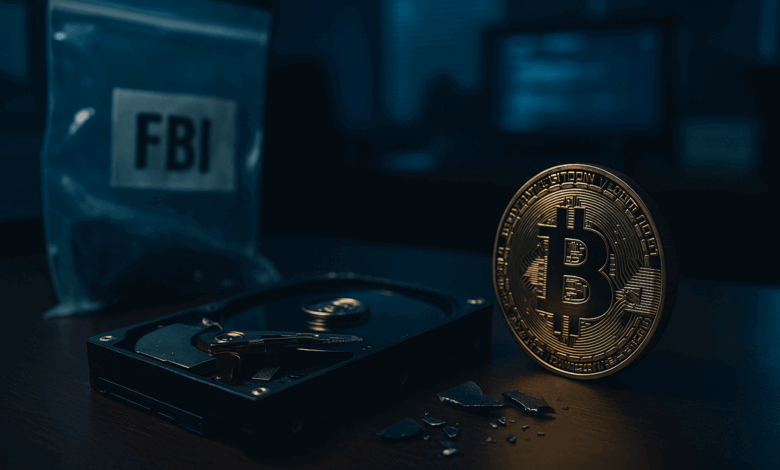
In a landmark decision, the US Court of Appeals for the Eleventh Circuit has confirmed a lower court’s refusal to grant a Florida defendant compensation for approximately 3,443 bitcoins, valued at over $345 million. This verdict stands after the government disposed of an external hard drive that the defendant later alleged contained the keys to the cryptocurrency. The court’s decision, penned by Judge Elizabeth Branch Grant and backed by Judges Jill Pryor and Marcus, maintains that the doctrine of laches prevents any relief due to the defendant’s prolonged denial of owning significant cryptocurrency assets.
FBI Exonerated in Bitcoin Hard Drive Destruction Case
The case, United States v. Prime, No. 23-13776, originated from a 2019 investigation that revealed extensive counterfeiting and identity theft tools. Michael Prime was eventually convicted of access-device fraud, aggravated identity theft, and illegal firearm possession. During the investigation, federal agents, under proper warrants, attempted and failed to locate cryptocurrency linked to Prime’s activities. By his sentencing in June 2020, Prime and his legal team had retracted earlier statements about possessing thousands of bitcoins, instead suggesting that his cryptocurrency holdings were minimal. The authorities acted based on these representations.

Advertisement Banner
Judge Grant highlighted that Prime had repeatedly claimed to own “very little bitcoin.” Even after his release, he failed to identify any device containing valuable cryptocurrency keys when requesting the return of his property. Following standard procedures, the government wiped devices after providing notice, while others, including the contentious orange external drive, were destroyed. “It was only later that Prime claimed to have been a bitcoin magnate,” the court observed, noting that by then, it was too late to change the course of action.
While media attention focused on the FBI, records indicated that it was the US Secret Service that reached out to Prime in mid-2022, offering to wipe and return devices if he provided necessary passwords. Instead of cooperating, Prime filed pro se motions without mentioning bitcoin or the hard drive. Consequently, the drive was destroyed along with other electronics as Prime refused to aid in the removal of contraband data.
Legal Consequences and Court’s Perspective
The Eleventh Circuit emphasized the importance of causation and prejudice, commenting, “We have little difficulty concluding that the government would not have destroyed the hard drive if it had thought that it contained millions of dollars in bitcoin.” With the hard drive now gone, the court stated, “the government cannot return it,” and ordering it to replace nearly 3,443 bitcoins—”now valued at over $345 million”—would be unjustified.
The panel expressed skepticism regarding Prime’s attempts to reinterpret his financial disclosures. He contended that his report of “$200 to $1,500 in bitcoin” in February 2020 referred to the market price of a single bitcoin at that time, not his holdings. The court dismissed this claim, noting that in February 2020, bitcoin prices ranged between “about $8,500 and $10,500,” and Prime had pledged to provide comprehensive asset disclosures regarding any asset he controlled or had an interest in. The opinion referenced defense counsel’s admission during sentencing that the initial assertion of “a great amount of bitcoin” lacked evidential support.
By affirming the application of laches, the Eleventh Circuit did not delve into broader issues such as the potential forfeiture of any existing bitcoins. The court also pointed out that Prime forfeited any challenge to the factual determination of the drive’s destruction by not raising it earlier. The ruling clearly states that equitable relief is unavailable when a claimant’s prolonged denials lead the government to cease asset searches and proceed with routine processing of seized electronics—actions attributed to Prime’s lack of cooperation and delays rather than any governmental misconduct. As Judge Grant summarized the district court’s decision, “laches barred his bitcoin request. We agree and affirm.”
At the time of this report, the value of bitcoin stood at $102,825, showcasing the cryptocurrency’s continued relevance and volatility in the market.
Ensuring Editorial Integrity
Editorial Process at Bitcoinist is dedicated to providing well-researched, precise, and unbiased content. We adhere to stringent sourcing standards, with each publication undergoing meticulous review by our team of leading technology experts and seasoned editors. This rigorous process guarantees the integrity, relevance, and value of our content for our readers.